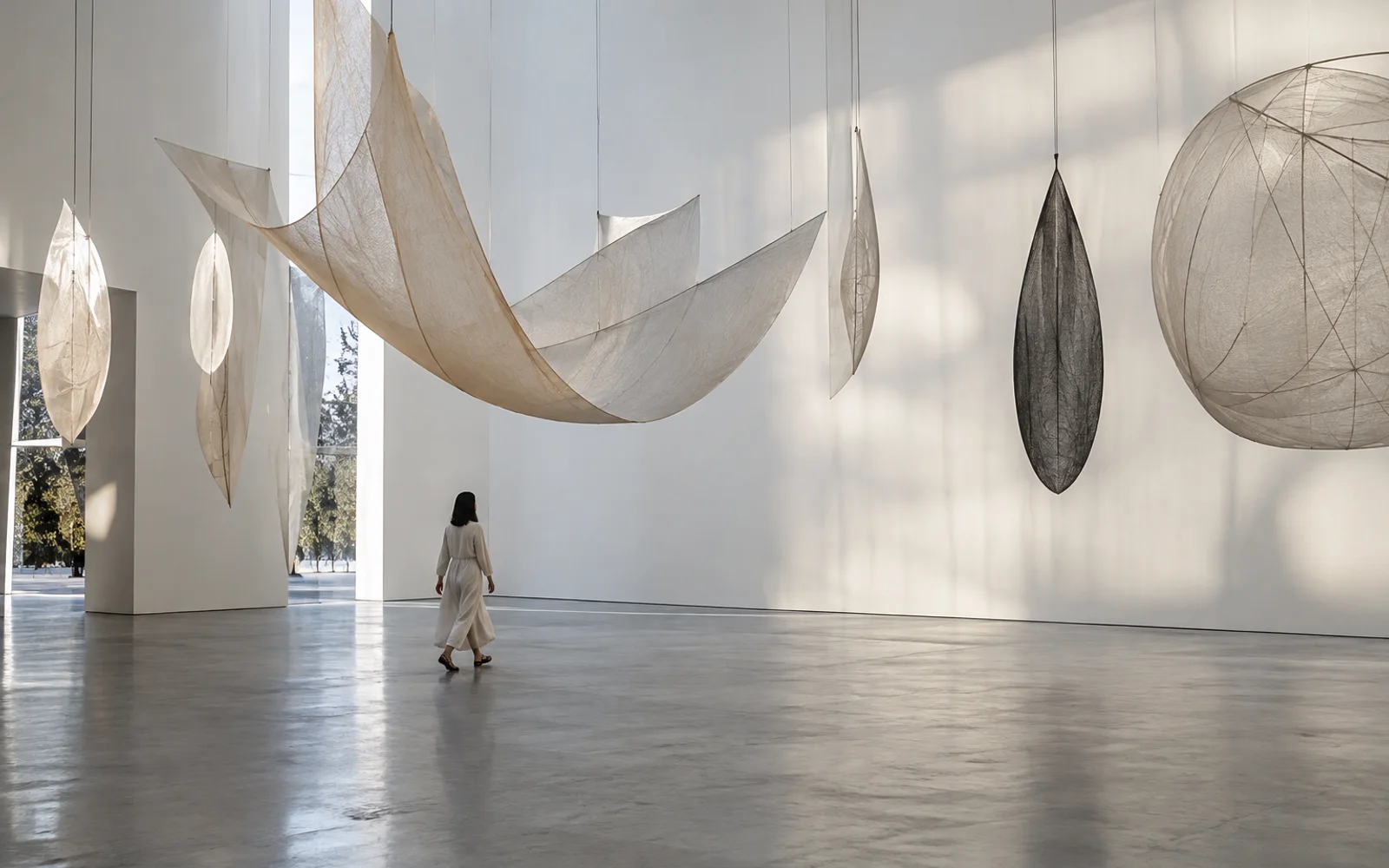
A single tone can recall a room, a season, or a person long before we know why. ARKI Editorial
THE MEMORY OF COLOR
A single tone can recall a room, a season, or a person long before we know why.
The first association
A green may remind one person of a childhood stairwell and another of a summer field. The pigment has not changed; the viewer has brought a different history to it. This makes color an unusually intimate material for an artist.
It can suggest a memory without illustrating it. Rather than searching for a universal meaning, spend time with the first association that appears and ask what in the image invited it.

Neighboring tones speak
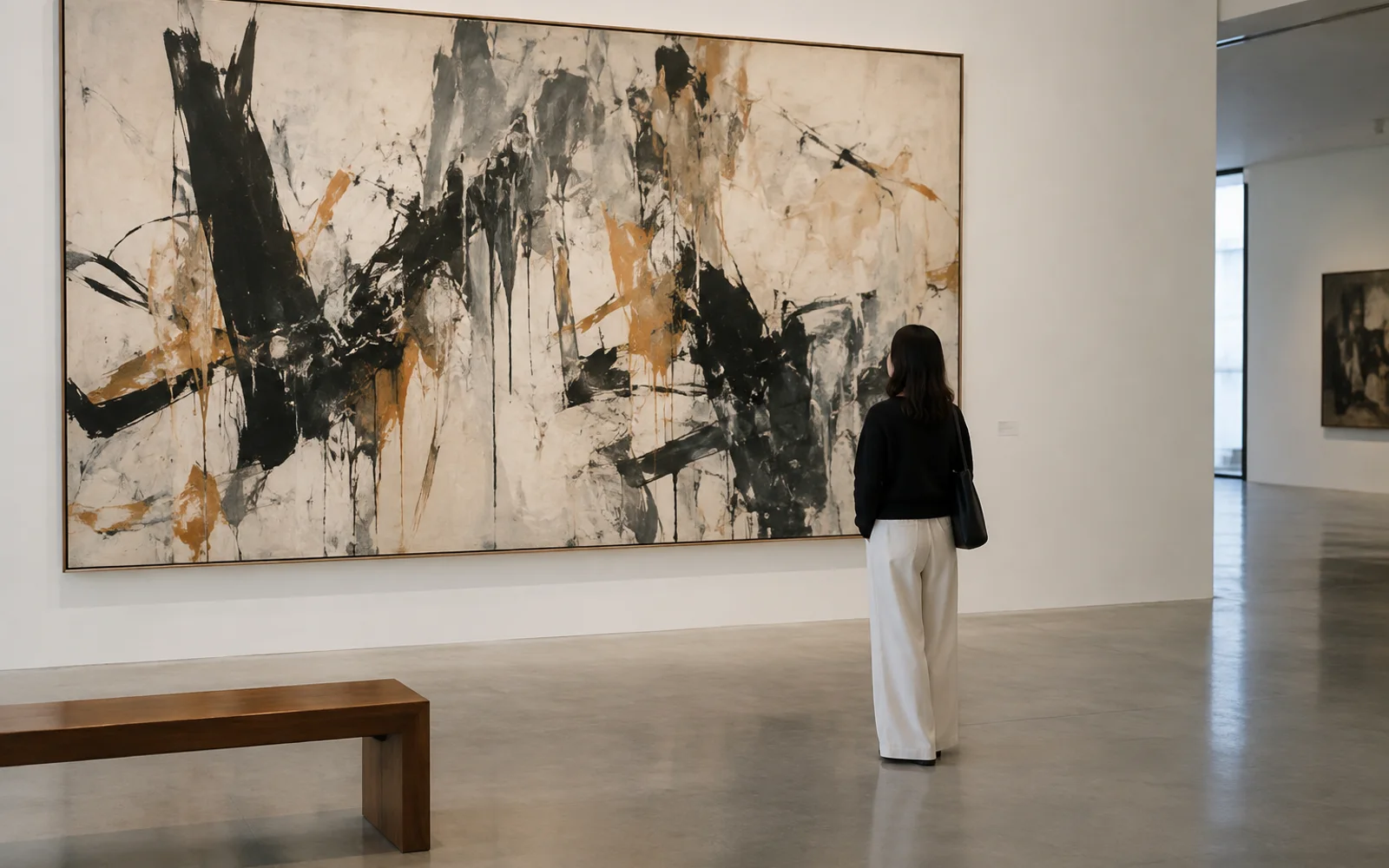
No color works alone for long. A warm gray beside blue can make the blue feel colder, while the same gray beside orange may appear almost violet. Artists use such relationships to create movement on a still surface.
Try covering one area of a painting with your hand and notice what changes elsewhere. The exercise shows why a palette is a conversation between tones, light, and the spaces left open between them.
A color returns
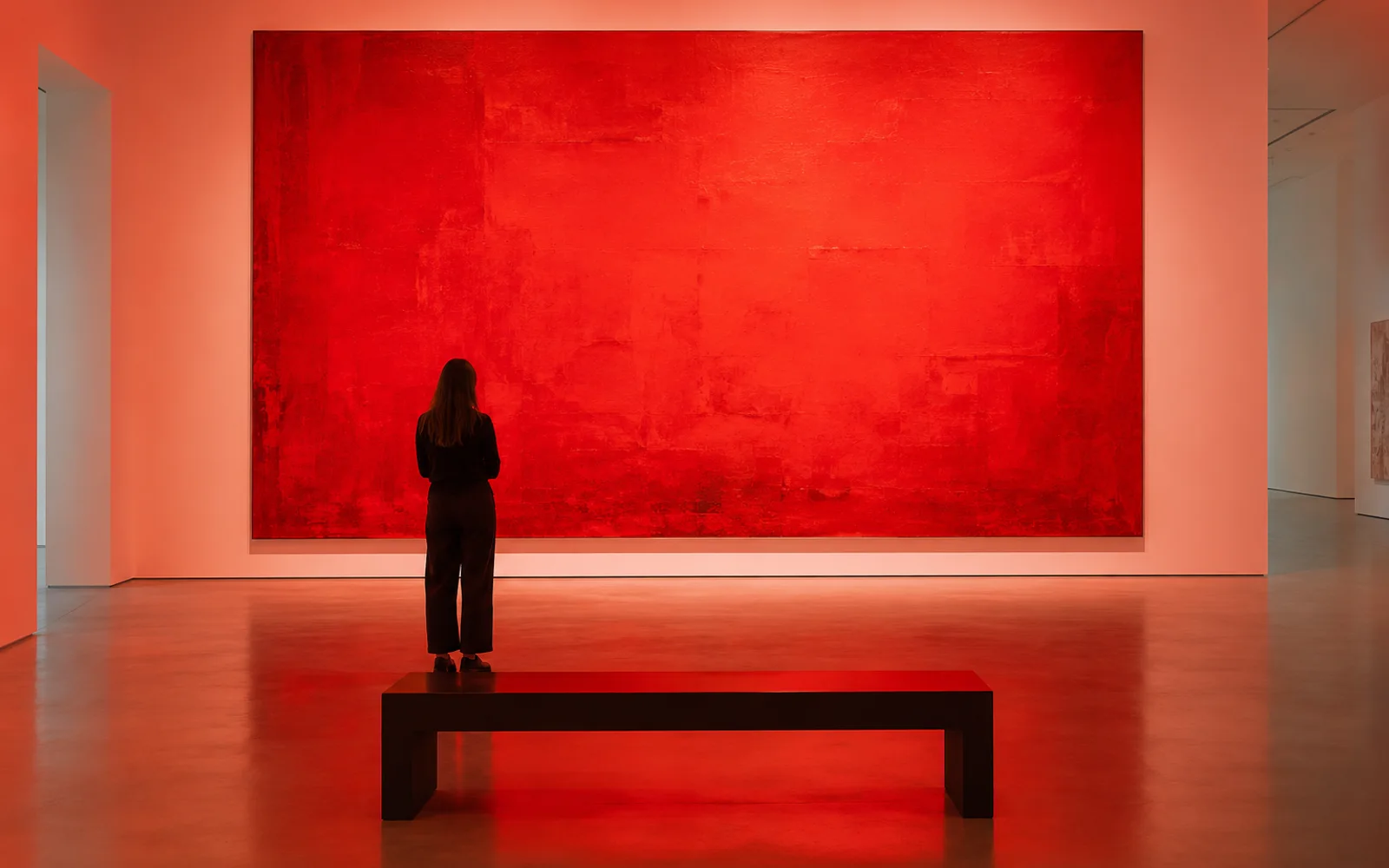
A tone noticed in a painting may come back later on a bus seat, in evening light, or on a coat passing in the street. That return can change the memory of the original work. Color travels between art and ordinary life in both directions.
We do not need to identify its precise name to be attentive to it. Sometimes the strongest response is simply recognizing that an old feeling has found a new surface.
The limits of naming
Language helps us share an experience, but a label such as “blue” contains many different lights and textures. Artists often work in that gap between a word and what the eye sees.
The next time a color stays with you, describe where it was, what surrounded it, and how long you looked. Those details may reveal more than the shade’s name.
- Begin with your own association, then look again.
- Notice how neighboring colors change one another.
- Watch for a tone when it reappears outside the gallery.
Color carries memory without having to tell the whole story.
— ARKI Editorial