Before a work reaches a gallery wall, it lives among marked tables, changing light, and daily decisions. ARKI Editorial
A MORNING IN THE ARTIST'S STUDIO
Before a work reaches a gallery wall, it lives among marked tables, changing light, and daily decisions.
The first circle of light
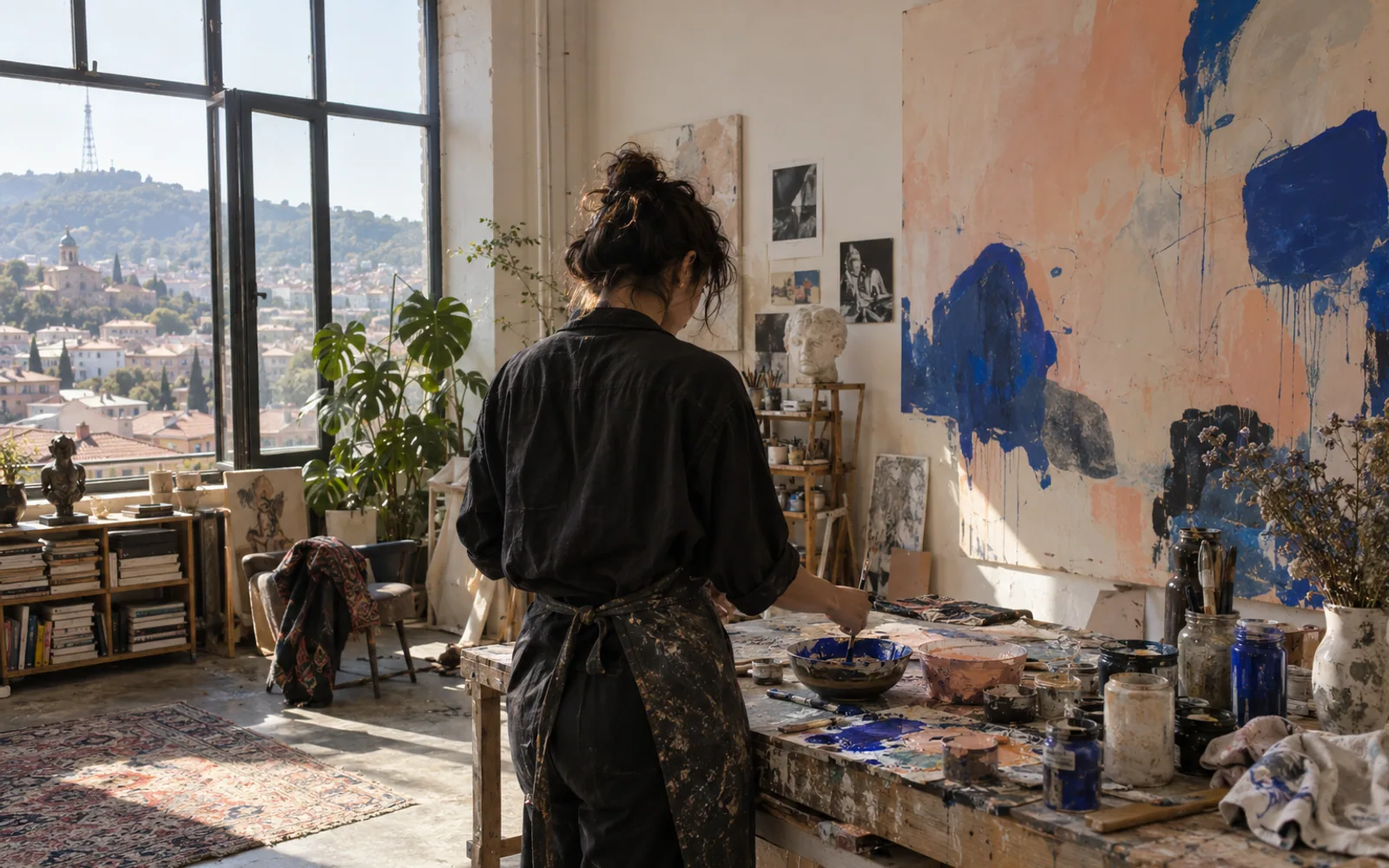
Morning enters a studio without asking where the finished painting will hang. It falls across unfinished surfaces, jars, and the place where the artist stopped yesterday. That shift of light can expose a color that looked certain at night as a question again.
A studio is not simply a romantic backdrop for a final work. It is a working space where the eye keeps negotiating with materials and where a new day can alter a careful plan.
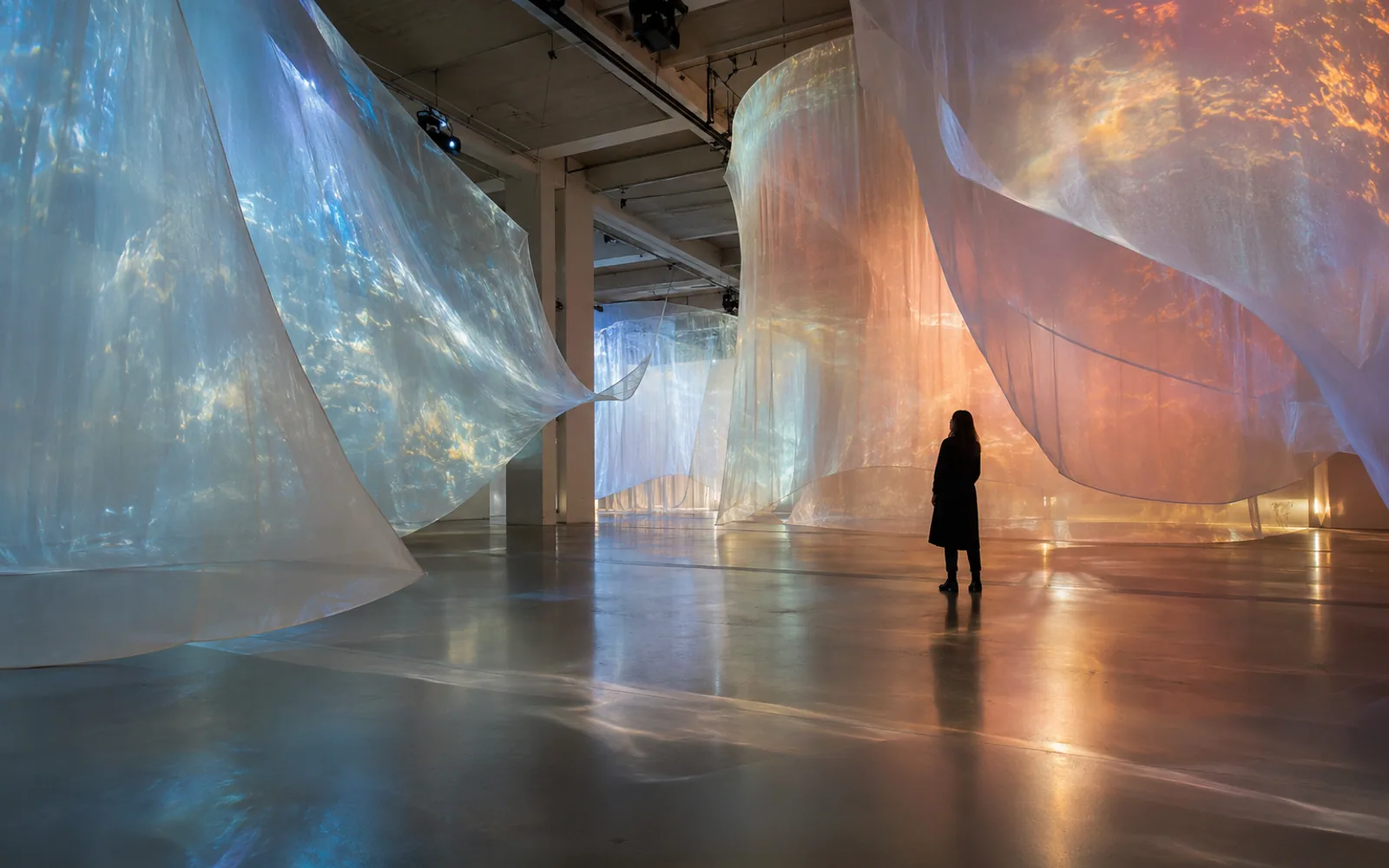
Evidence of a hand
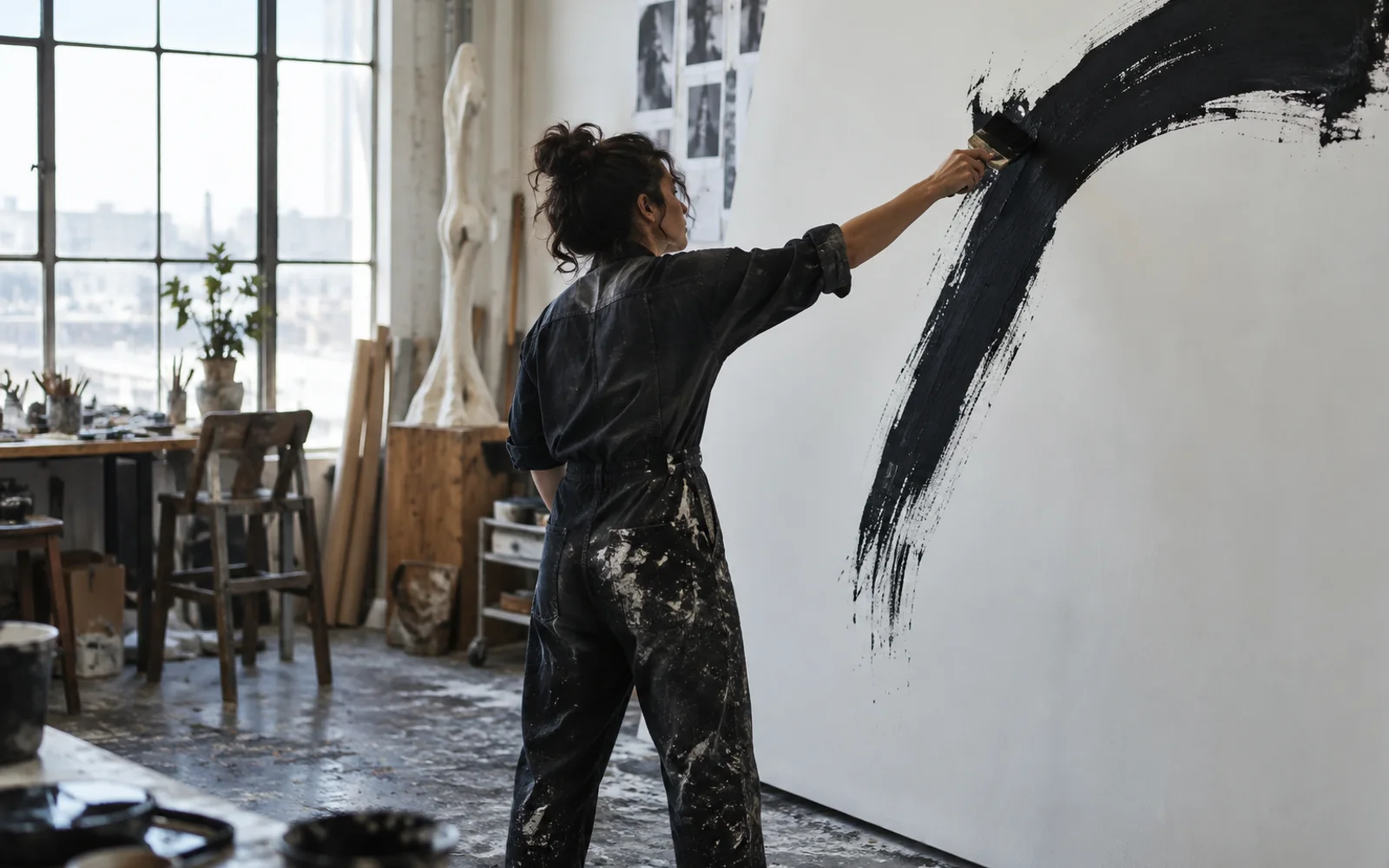
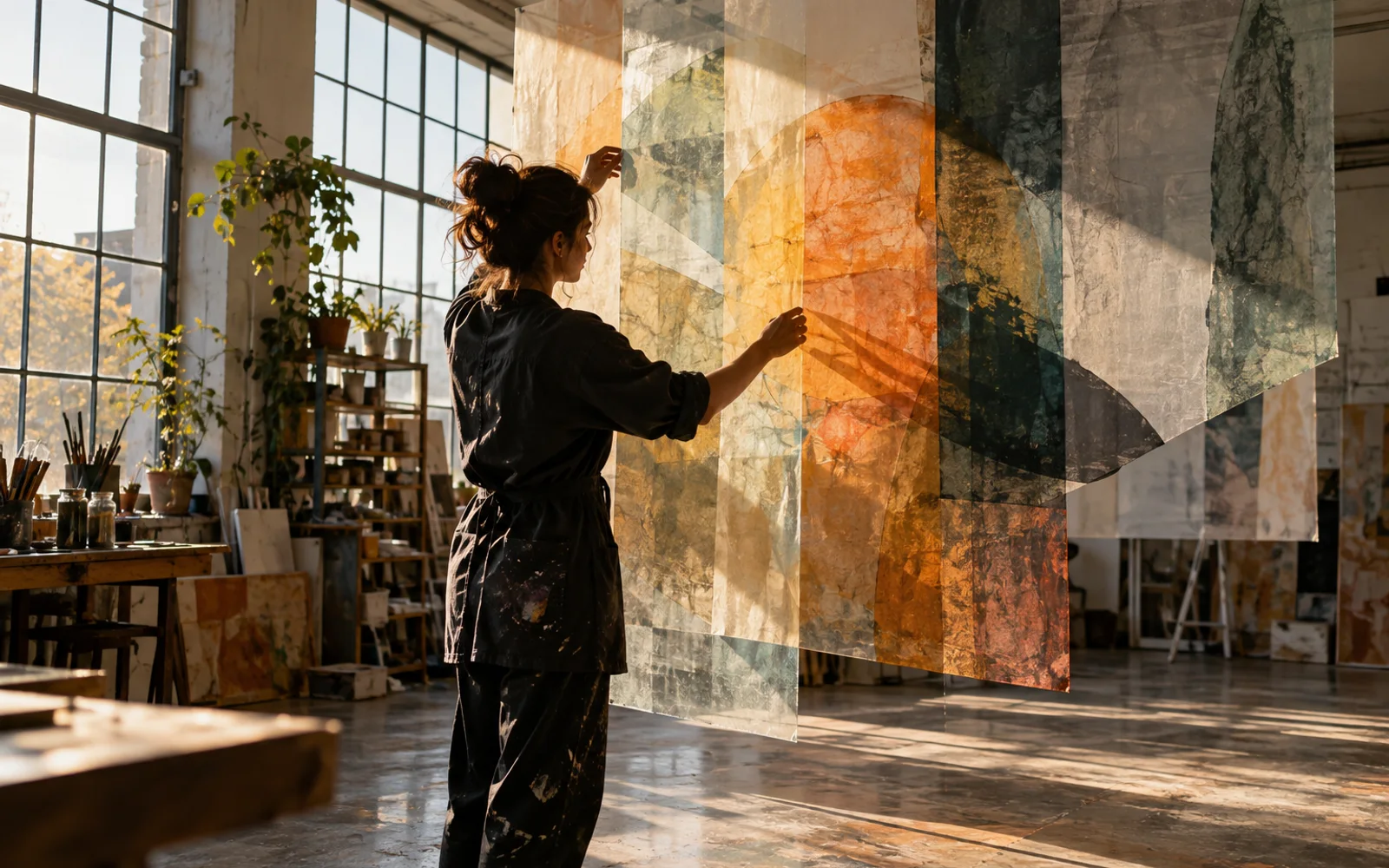
Brush marks, taped edges, discarded sketches, and stained cloth show choices a polished exhibition may hide. These traces are valuable because they make the work’s construction visible. They also remind us that uncertainty is part of making.
An artist can test a line, cover it, and discover that the covered mark still shapes the result. Looking around the room does not explain every image, but it helps us see how attention accumulates over time.
When a canvas leaves
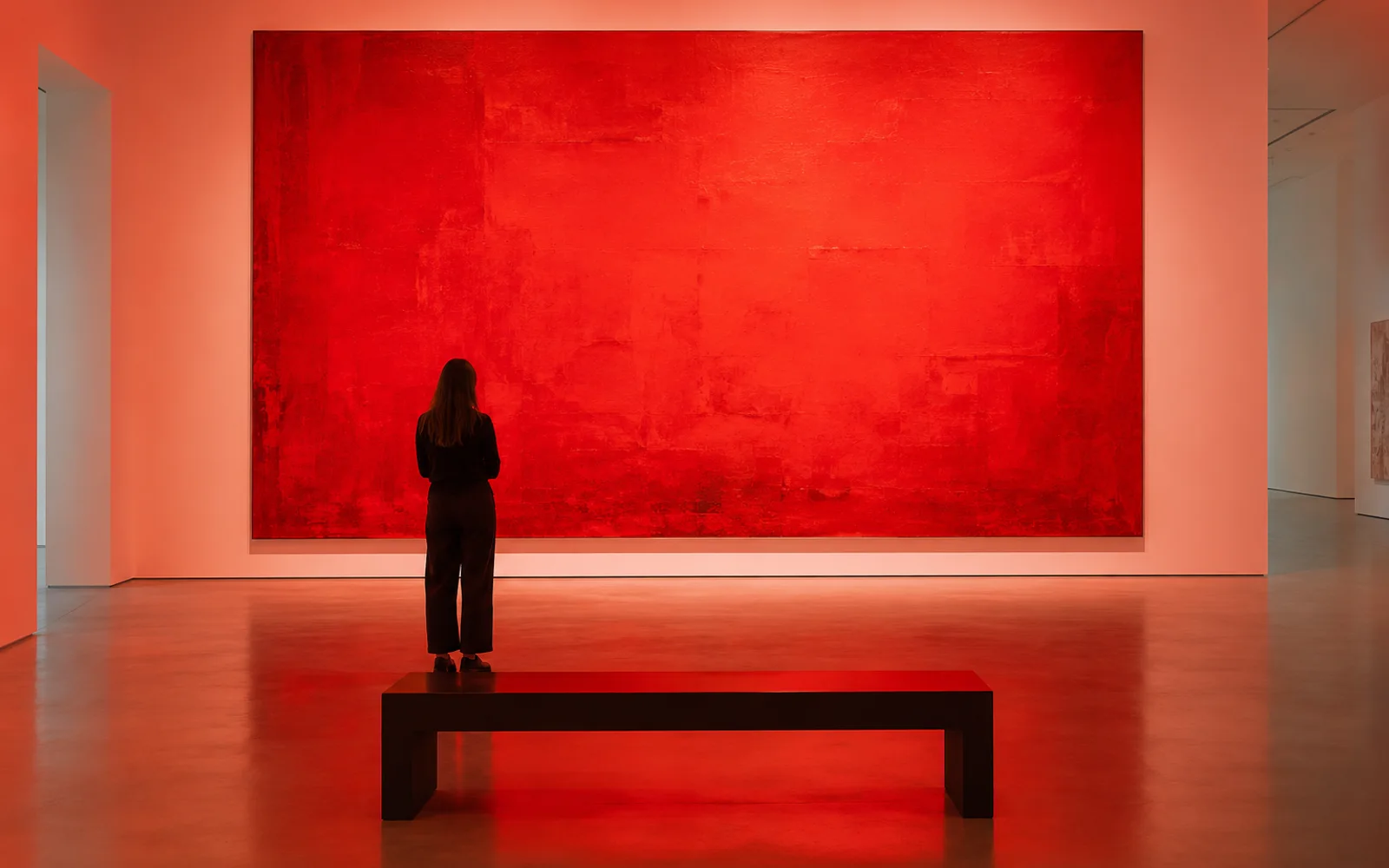
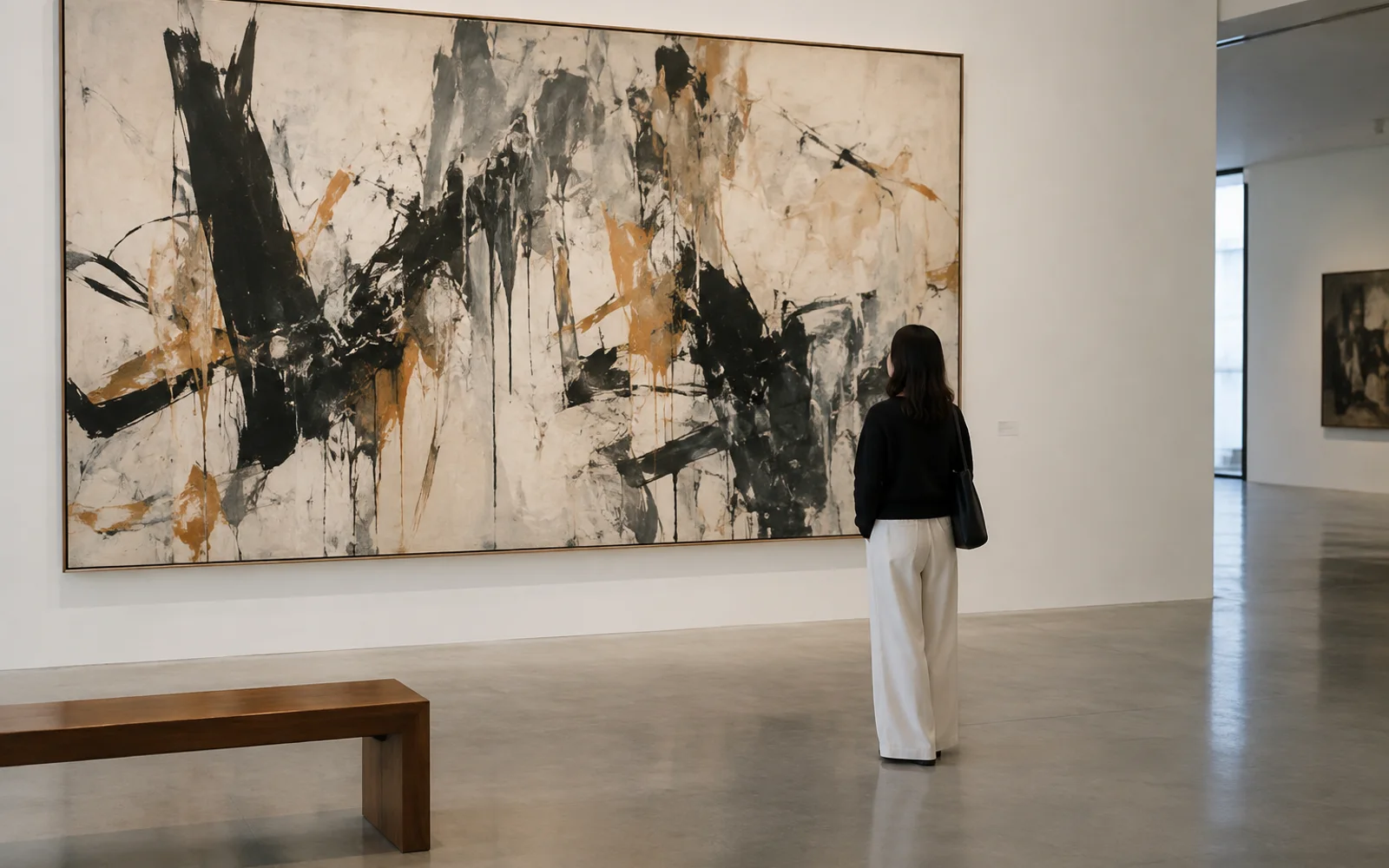
Deciding that a work is ready for another room can be harder than making the last mark. In the studio, the artist can change it tomorrow. In a gallery, visitors begin to make their own meanings.
That movement does not end the artist’s relationship with the piece, but it changes the conversation. A finished canvas is not one without unanswered questions. It is one able to meet other eyes without the artist standing beside it.
An ordinary beginning
The first task of the day may be to clean a brush or move a table. Such routine rarely appears in stories about art, yet it creates the conditions for a surprising decision later.
The studio’s morning is useful precisely because it is ordinary. Work can begin before inspiration has a name, and sometimes the hands discover what the eye is ready to see.
- Notice the quality of light before judging a color.
- Read material traces as evidence of choices.
- Let a finished work make room for another viewer.
The studio keeps the questions that make the finished image possible.
— ARKI Editorial