A pause is not the absence of music; it prepares the ear for what comes next. ARKI Editorial
SILENCE AS AN INSTRUMENT
A pause is not the absence of music; it prepares the ear for what comes next.
Before the strike
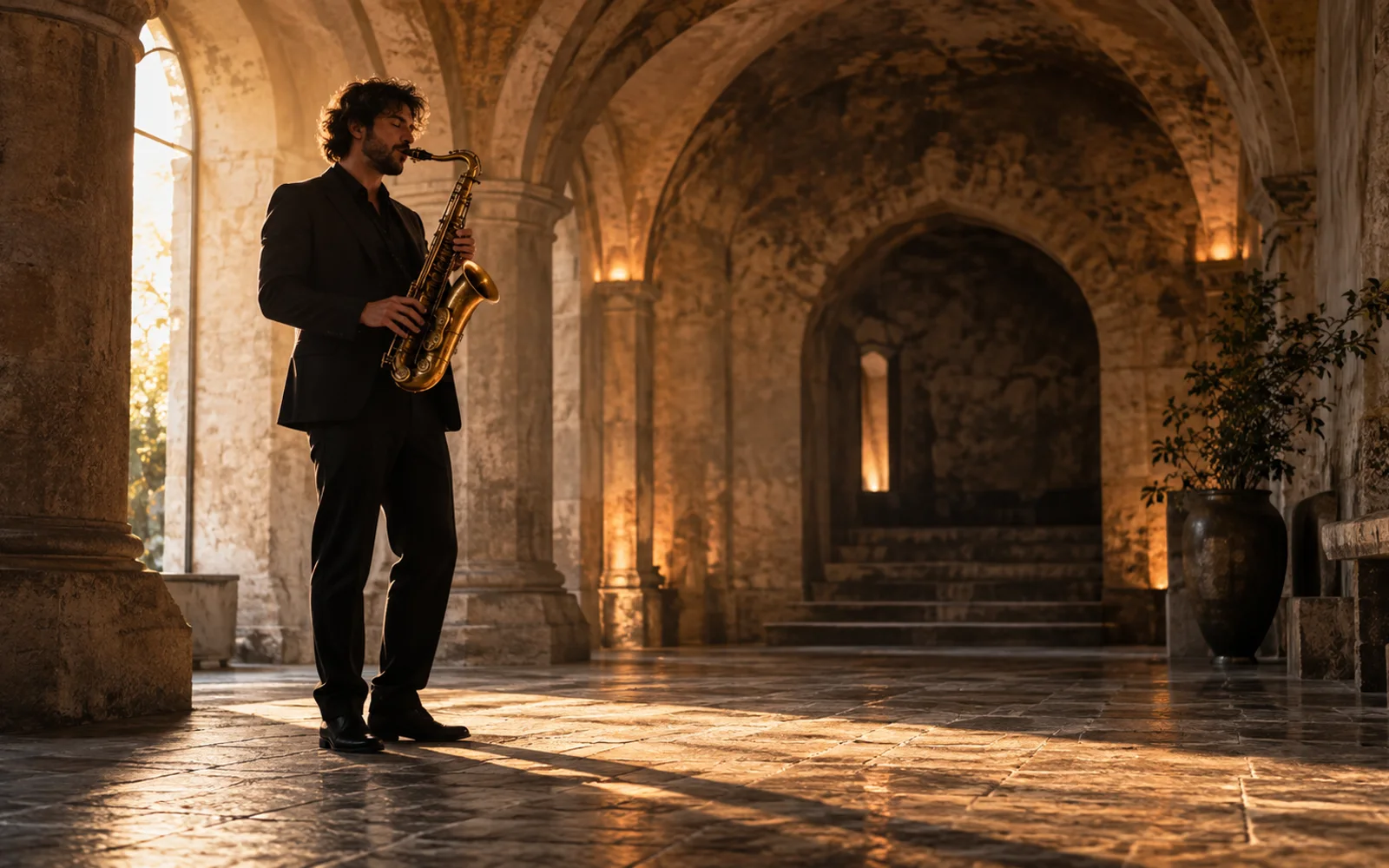
The fraction of a second before a drum enters can carry extraordinary tension. Listeners lean toward the expected sound, and the next note arrives with a weight it would not have had in an unbroken line. Musicians shape that expectation by deciding precisely where not to play.
Silence has rhythm too. It is measured against the sounds around it and against the breath of the people making them.

Space in a noisy world
Music now follows us through shops, feeds, commutes, and headphones. In that abundance, a quiet passage can feel risky, as though the listener might leave. Yet space can invite the attention that constant intensity cannot hold.
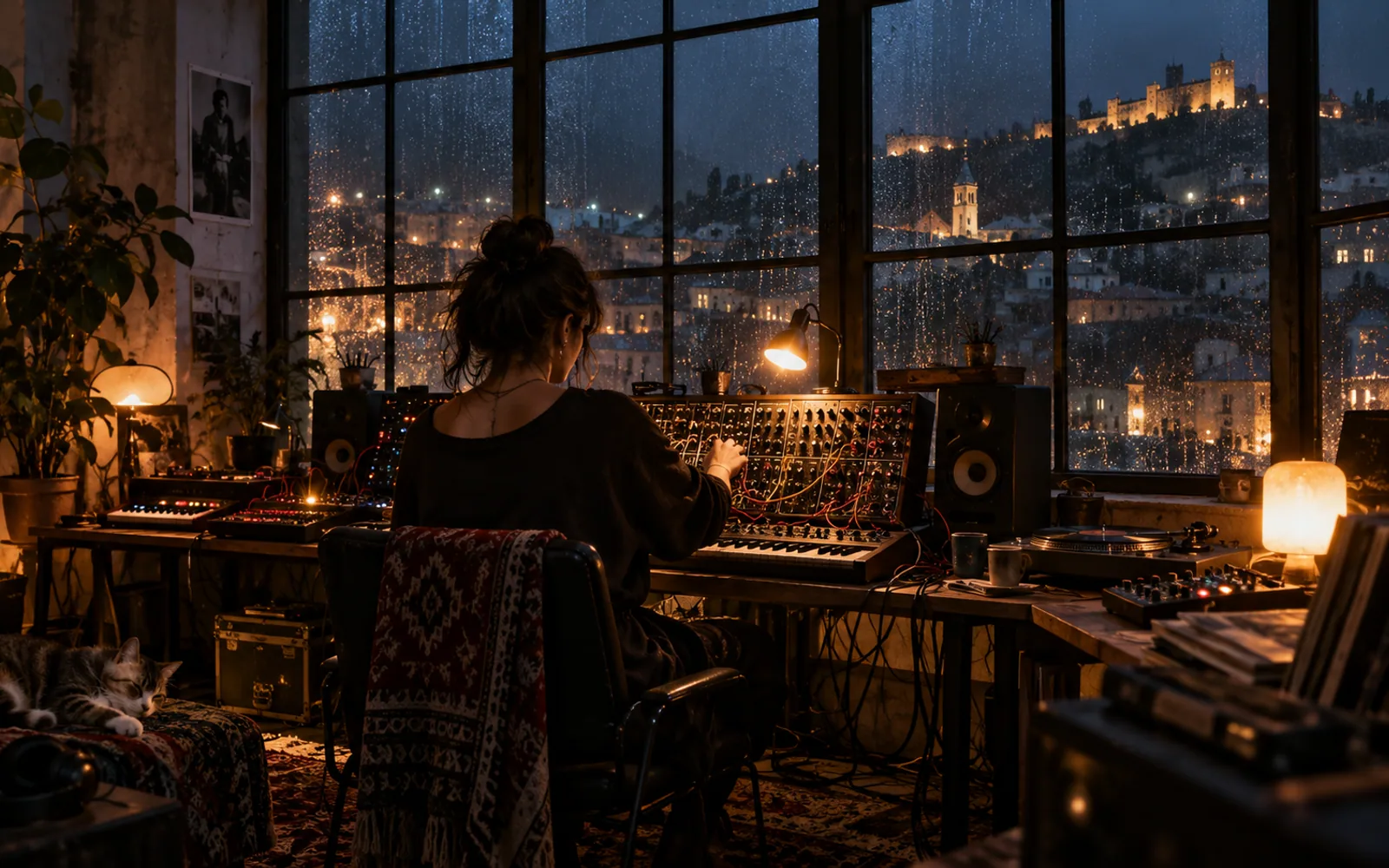
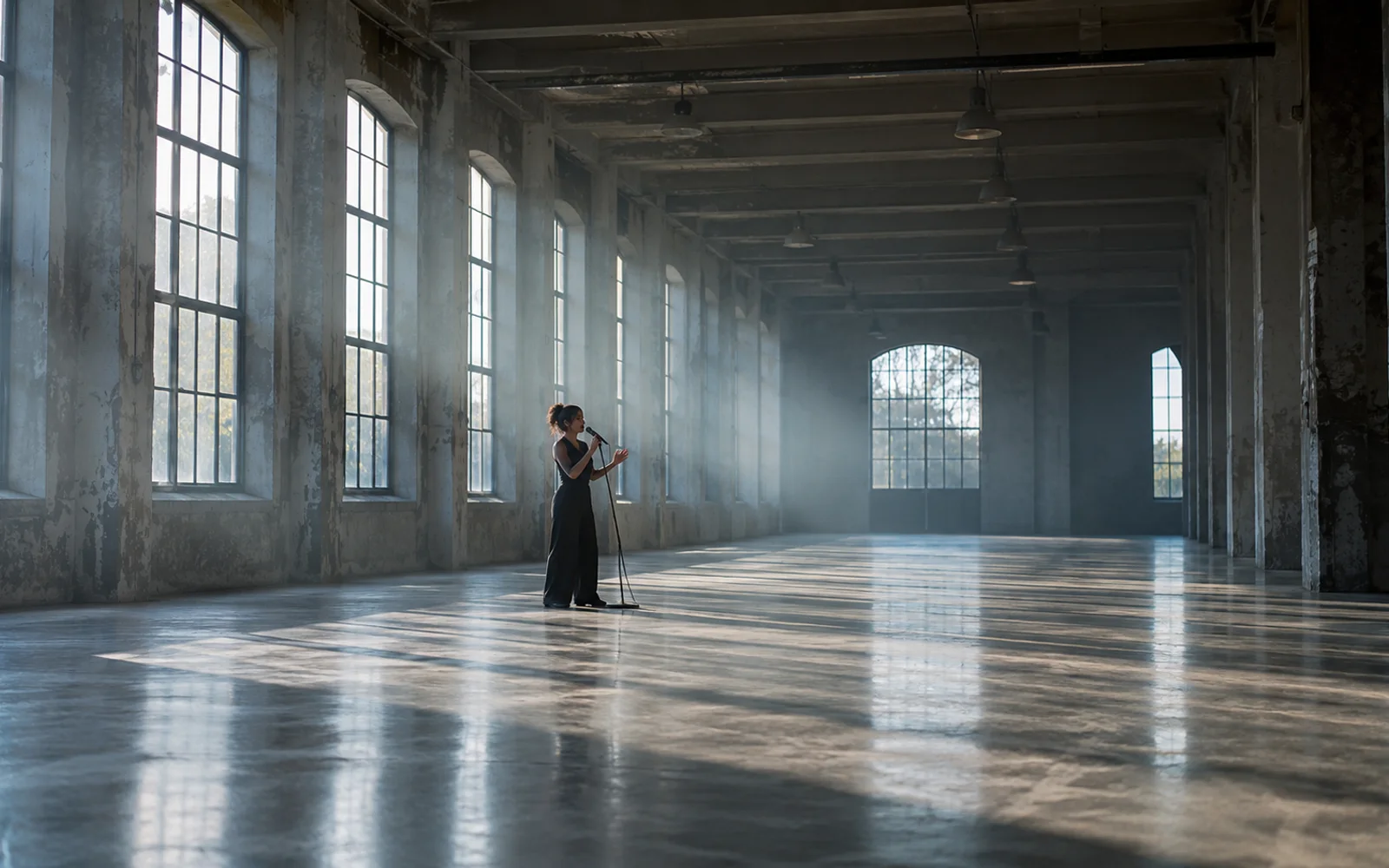
A sparse arrangement lets a voice, a faint room tone, or a single instrument reveal its texture. It also lets the listener’s own feelings enter the piece without being told exactly what to feel.
What deserves to remain
Editing a song often means removing a sound that once seemed essential. Play the passage without it and ask what becomes clearer. Perhaps the melody needs more room, or the lyric should stand alone for a moment.
This is not a rule that every arrangement must be minimal. Dense music can be wonderful. The useful discipline is to give every sound a reason to be there and every pause a reason to stay open.
Listening to the interval
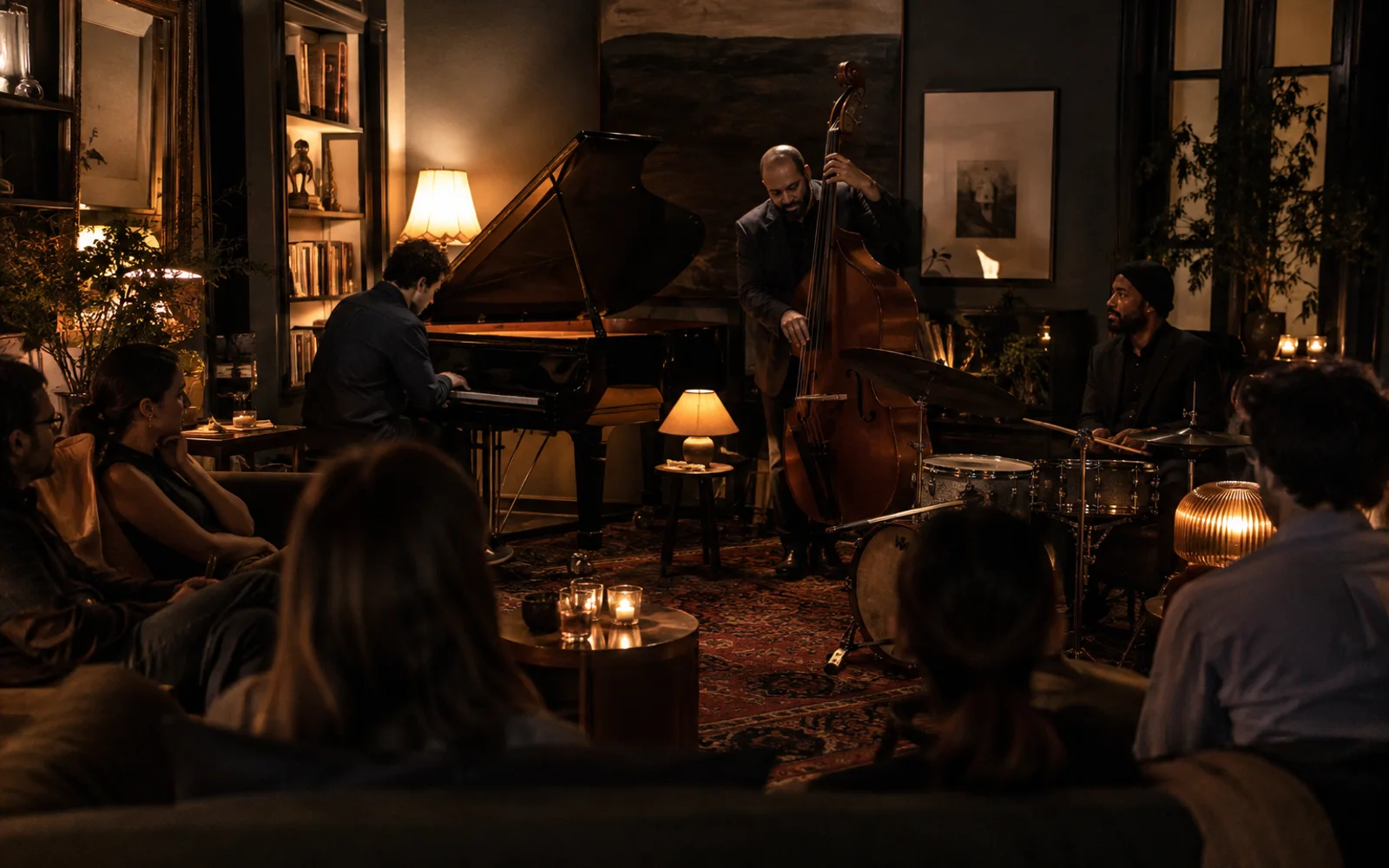
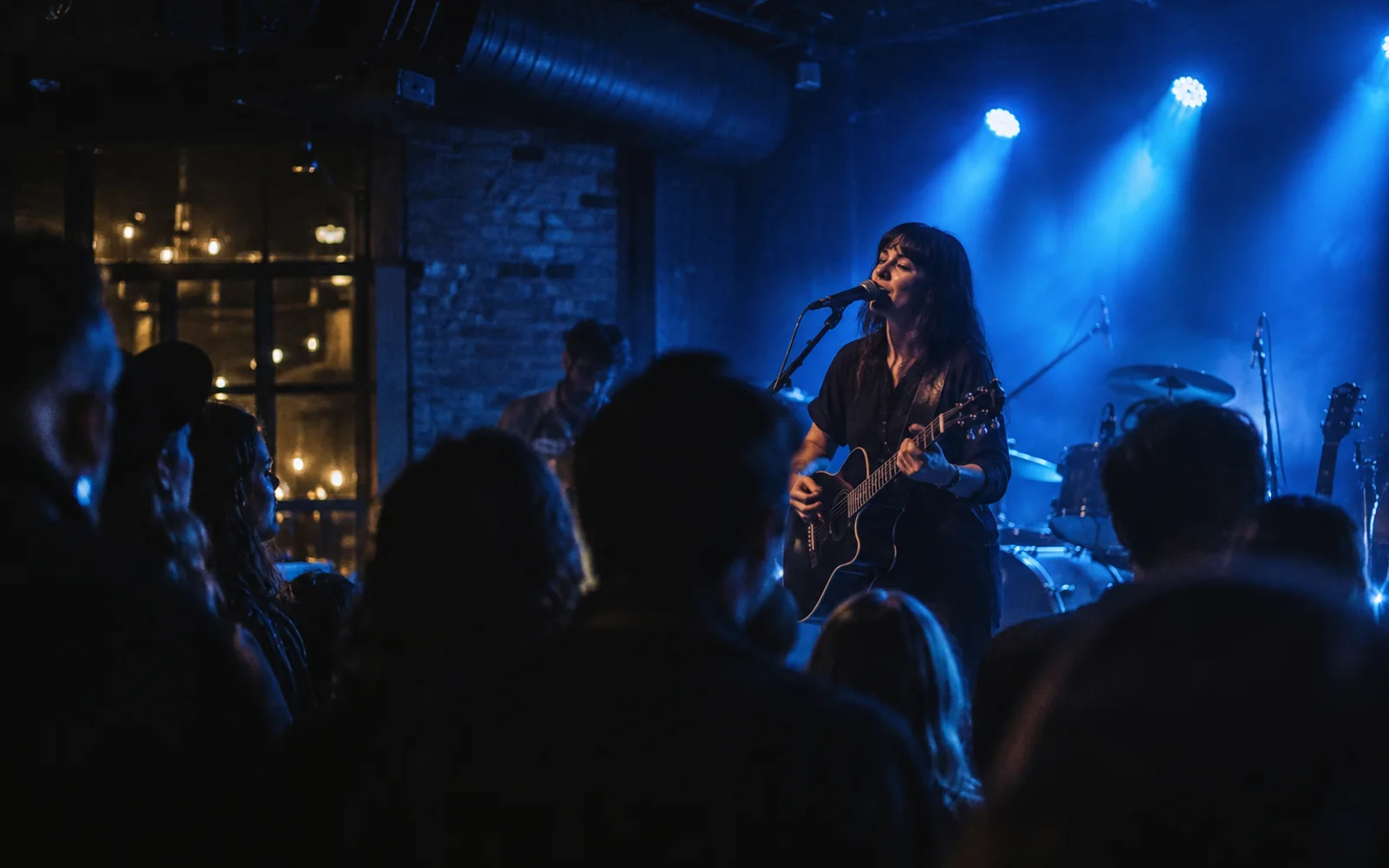
The same pause may feel different in a crowded venue and alone at home. In one place it gathers hundreds of breaths; in the other it may bring a single memory forward.
Musicians can plan the interval, but they cannot control everything a listener brings to it. That openness is part of the instrument’s power.
- Treat pauses as choices with their own timing.
- Let quiet reveal texture and feeling.
- Remove a layer when it hides the song’s strongest idea.
A well-placed silence lets the next sound tell the truth.
— ARKI Editorial