When the city slows down, making music in a small room asks for a different kind of attention. ARKI Editorial
SPONSORED
THE STUDIO AFTER MIDNIGHT
When the city slows down, making music in a small room asks for a different kind of attention.
The pace of the room
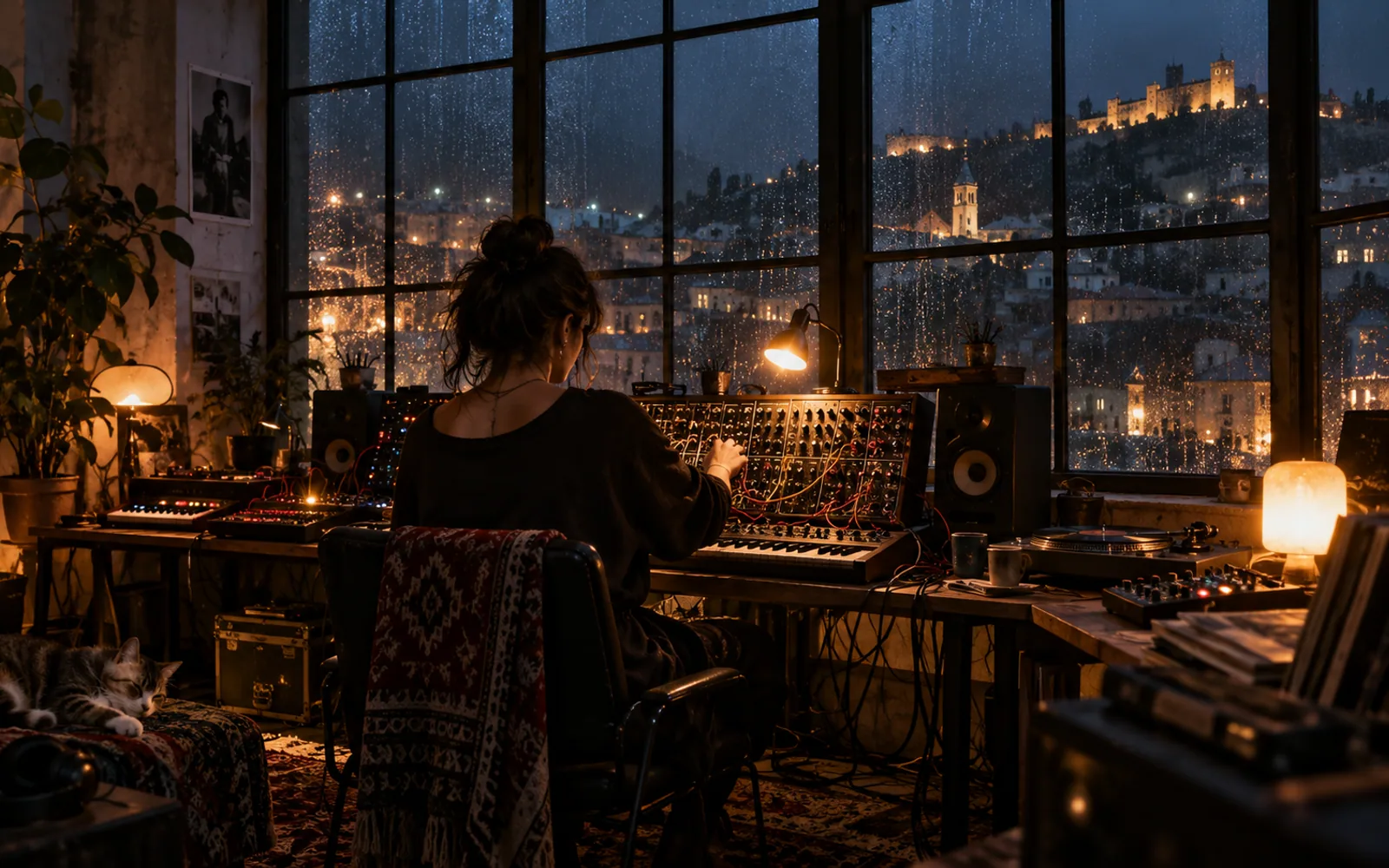
After midnight, a studio sounds larger than it looks. The traffic outside thins, a refrigerator hum becomes noticeable, and the smallest adjustment to a microphone seems decisive. This quiet is useful, but it can also make every idea feel more important than it is.
Musicians learn to work with the room rather than chase a perfect silence. They listen for the way a voice sits beside a drum and for the moment when an unfinished phrase begins to suggest a direction.

Let an accident remain
A late session invites mistakes: a note arrives early, somebody laughs between takes, or a cable adds a faint crackle. Most of these should be fixed. Occasionally one gives the recording the human edge a clean rehearsal lacked.
Keeping it is a deliberate decision, not an excuse for carelessness. Listen again in daylight before deciding. If the accident deepens the song and does not obscure it, the record may be more honest for having made room for an imperfect moment.

Knowing when to leave
Night can make a simple edit feel like the final answer. Tired ears begin to prefer whatever they have heard most recently, so the wisest move is sometimes to save the session and go home. A mix should survive a different speaker, a morning walk, and a second listener.
Finishing music does not mean exhausting every possible revision. It means recognizing the point at which the song can carry its own meaning beyond the room that made it.
A light left on
The studio is a place of concentration, but its work reaches people who will listen in entirely different circumstances. A song made under one lamp may later accompany a crowded bus or an open window at noon.
That journey is worth remembering during the late hours. The room gives the music a beginning, not its final address.
- Listen to the room before changing the recording.
- Keep a mistake only when it adds to the song.
- Return to late decisions with rested ears.
The best midnight recording still makes sense in the morning.
— ARKI Editorial