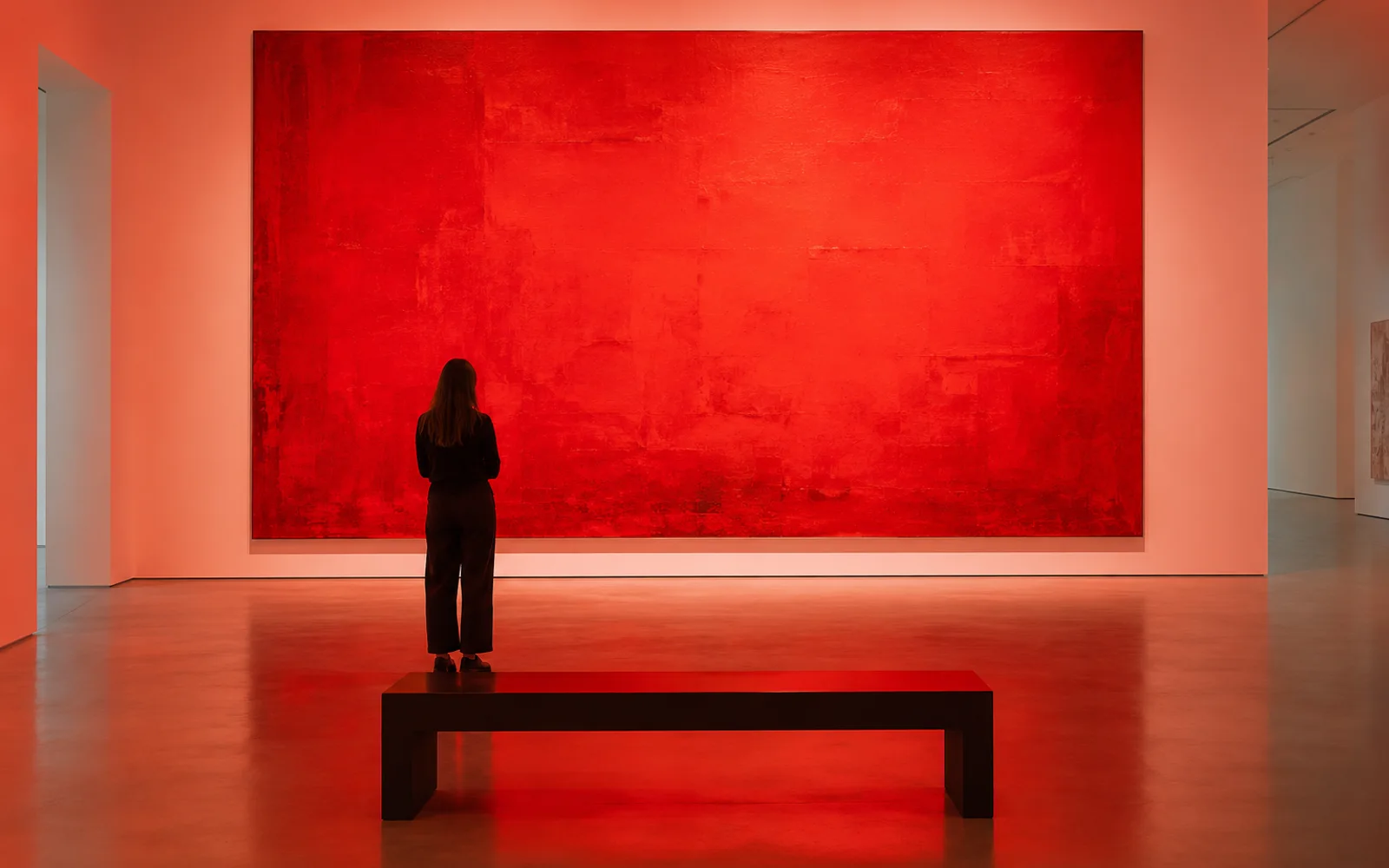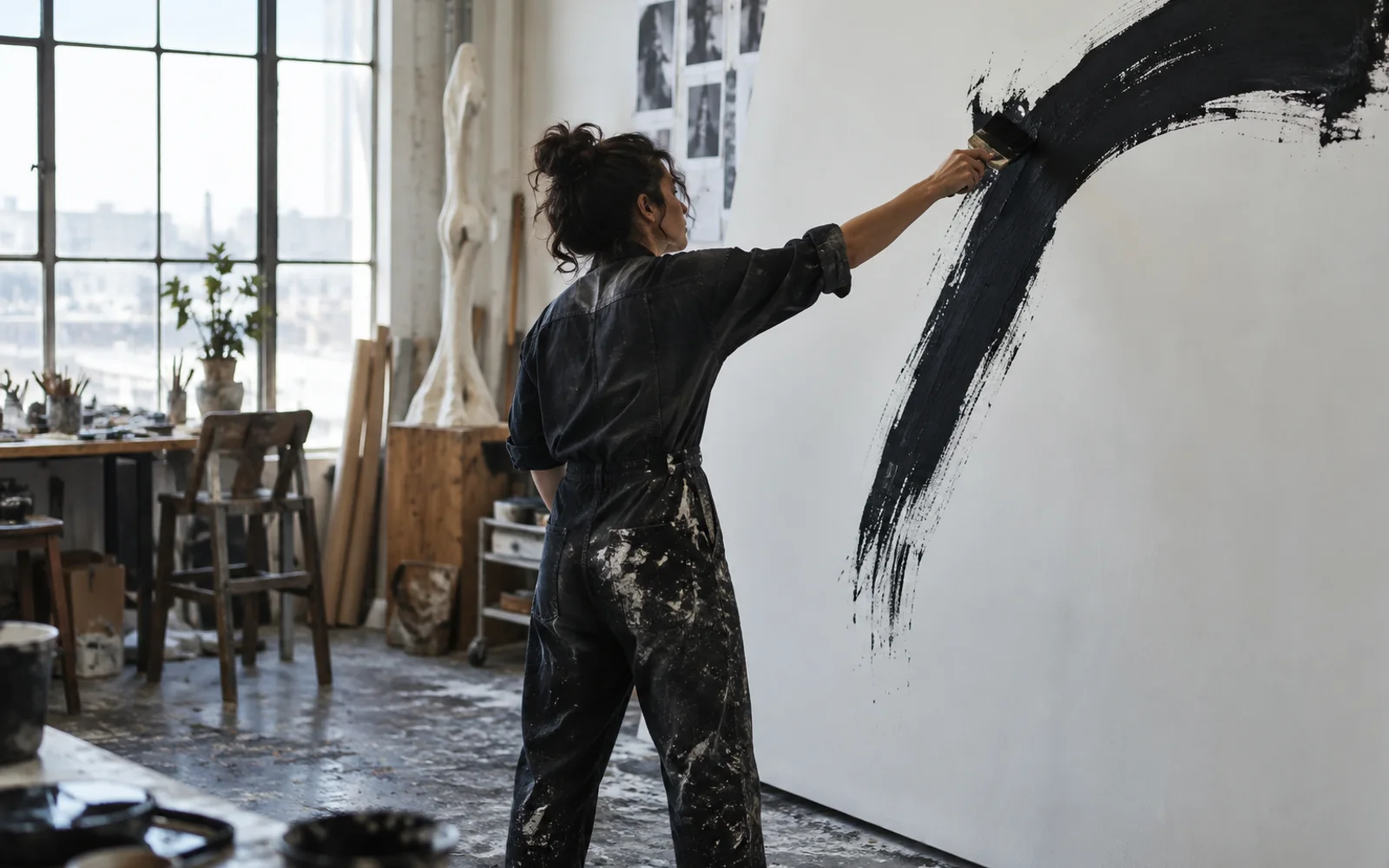
A quick sketch is a way of thinking in its own right, not a miniature version of a finished work. ARKI Editorial
NOTES FROM A DAY OF DRAWING
A quick sketch is a way of thinking in its own right, not a miniature version of a finished work.
The first line
A drawing can begin before its subject is fully understood. The first line records an attempt to look, and a second line may correct or complicate it. That openness gives a sketch its energy.
Carry a small notebook and draw something ordinary without expecting a polished result. A chair, a hand, or the edge of a building offers enough questions about shape and proportion to fill a page.

A small collection of hours
Several drawings made in one day can show how attention changes. Morning light gives an object one outline; fatigue or movement makes the same scene less certain later. Keep imperfect pages beside confident ones.
Together they document a conversation between the eye, the hand, and time. The collection is useful even when no single page would be selected for a wall. It shows how looking develops through repetition.

The right to stop
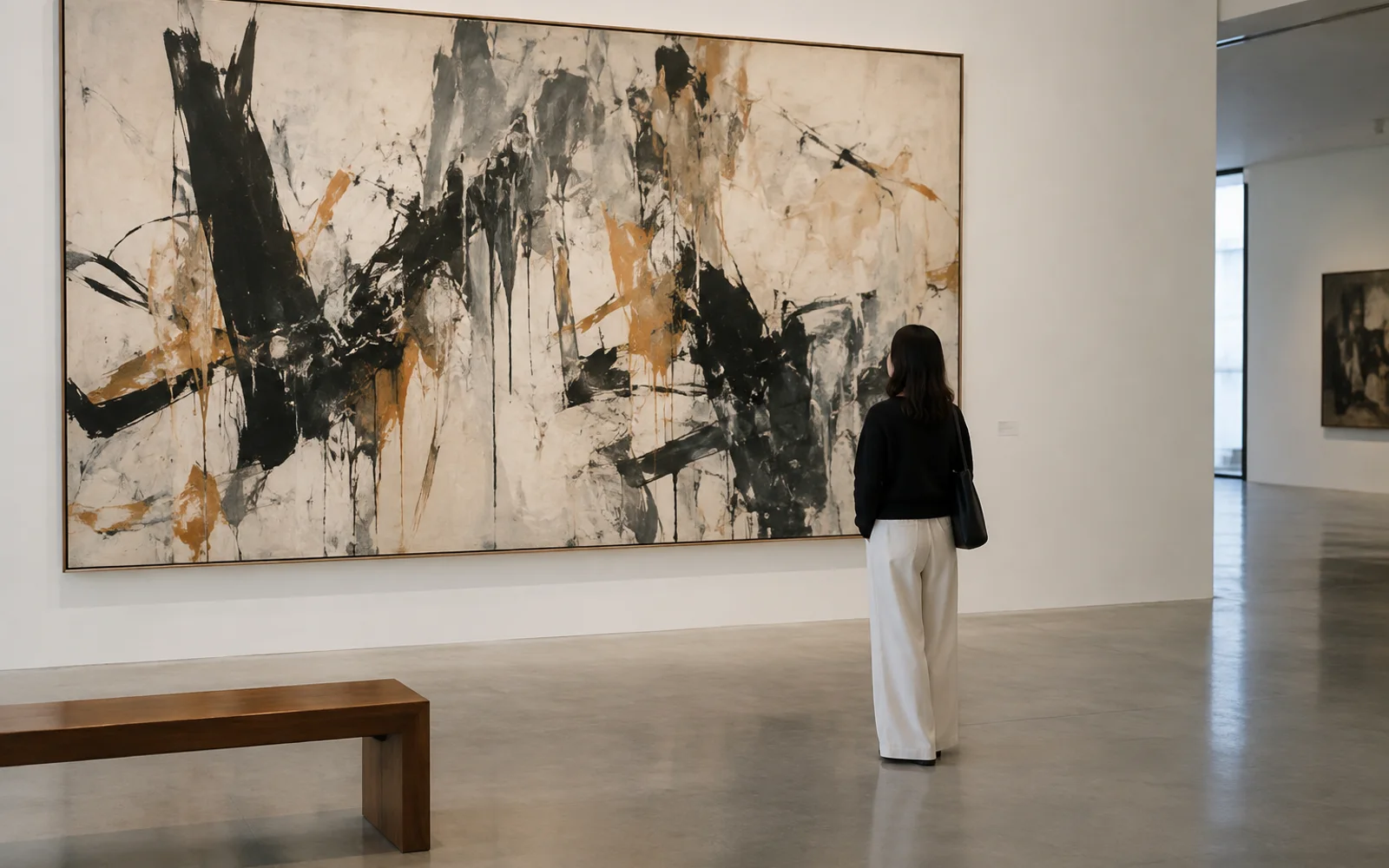
Not every sketch asks to become a painting or illustration. Some are complete as records of a brief encounter. Knowing when to stop protects that quality.
Add a date or a small note if it helps you remember where the drawing began, then leave its unfinished edges alone. The notebook can be a place where ideas are tried without the pressure to justify themselves as future products.
Back to the page
Return to the same subject after a week and the new drawing will probably differ. The object may be unchanged; your attention will not be.
That difference is worth keeping. A sketchbook offers evidence of a mind learning to see, one small decision at a time.
- Draw an ordinary subject before choosing an ambitious one.
- Keep uncertain pages alongside confident ones.
- Let a sketch remain a sketch when its question is complete.
Drawing is often the moment when looking becomes a thought.
— ARKI Editorial