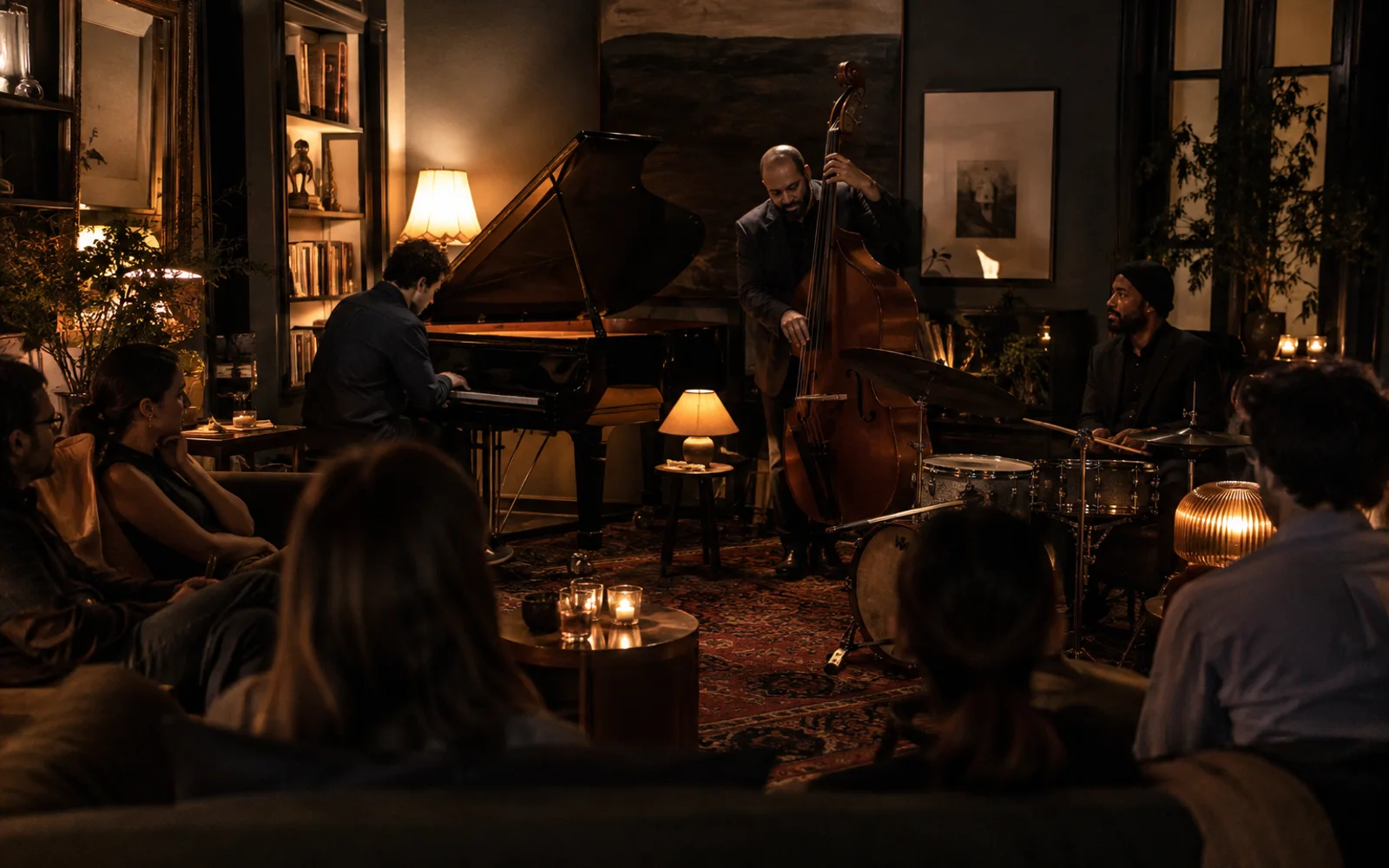
Keeping an old recording means preserving its context as well as the audio file itself. ARKI Editorial
AN ARCHIVE OF SOUND
Keeping an old recording means preserving its context as well as the audio file itself.
An unexpected discovery
An unlabeled recording can bring back a voice in an instant, yet leave almost every useful question unanswered. Who made it, where was it played, and why was it kept? Before restoring or sharing it, make a note of what is known and what remains uncertain.
A scratch or room noise can be part of the record’s history. The goal is not to erase time from the sound, but to make it possible for another listener to understand what they are hearing.

Names matter as much as formats
A durable archive needs more than a drive full of numbered files. Dates, places, performers, rights, and descriptions help a future visitor find a recording and treat it fairly. Use consistent names and keep the original file alongside any cleaned version.
Backups protect against loss, while careful notes protect against a subtler disappearance: the moment a sound survives but its story does not. Good cataloging is an act of listening in advance on someone else’s behalf.

A new way to hear
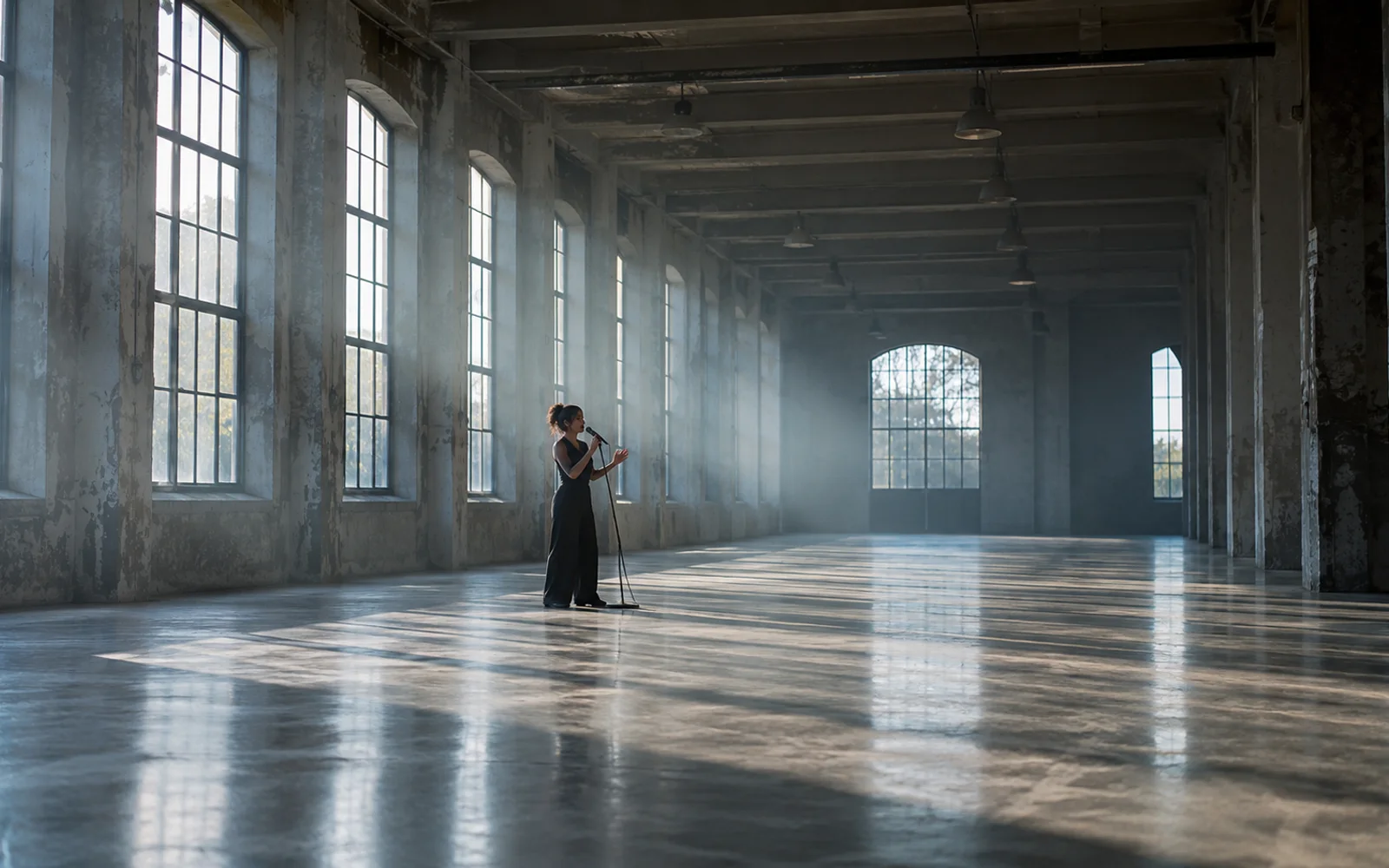
Old recordings are not frozen messages. People return to them with different questions, and technology can reveal details once difficult to hear. A clearer copy may uncover a quiet instrument, but it cannot tell us every intention in the room.
Share discoveries with humility and make space for the people connected to the material. Preservation works best when it invites new listening without pretending to replace the original experience.
The next listener
We cannot predict which recording will matter most to someone years from now. A modest rehearsal may become precious because it contains a person’s voice or documents a place that has changed.
That uncertainty is a reason to preserve context generously. The archive’s real audience includes people whose questions we have not yet learned to ask.
- Keep the original alongside every edited copy.
- Record names, dates, rights, and uncertainty.
- Invite connected people to add context where possible.
An archive protects the story around a sound as carefully as the sound itself.
— ARKI Editorial