Two colors that seem to disagree can give an outfit the energy it was missing. ARKI Editorial
A BOLD MEETING OF COLORS
Two colors that seem to disagree can give an outfit the energy it was missing.
Before the first experiment
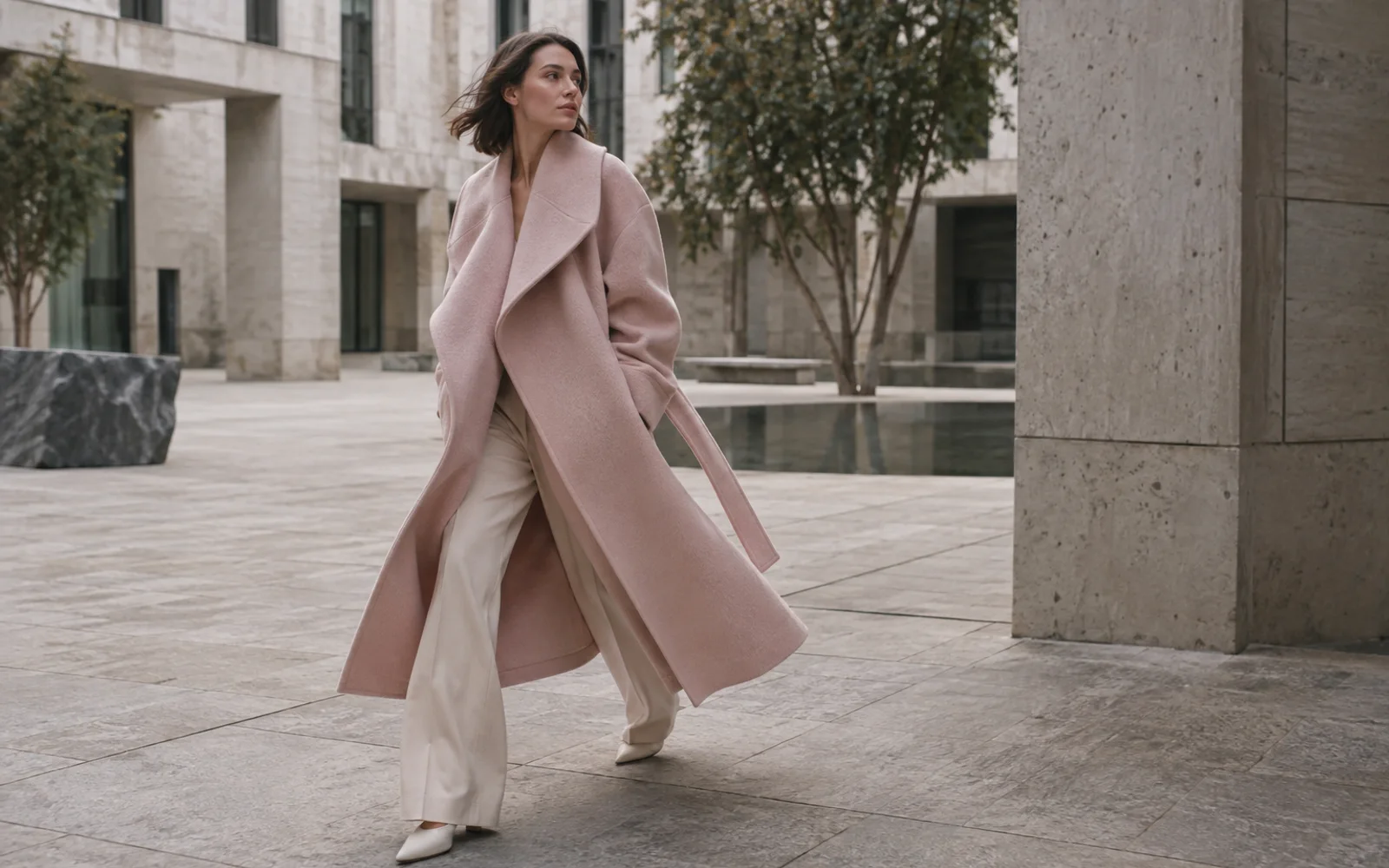
Color advice often arrives as a list of safe pairings. Personal style begins when we test those pairings against our own eye. Pink and orange, for example, may appear to compete until their shared warmth becomes visible.
There is no need to start with a coat and trousers. A scarf beside a bag, or a bright sock beneath a familiar hem, offers a smaller experiment. Notice whether the combination makes you curious enough to try it again.
Give strong colors a setting
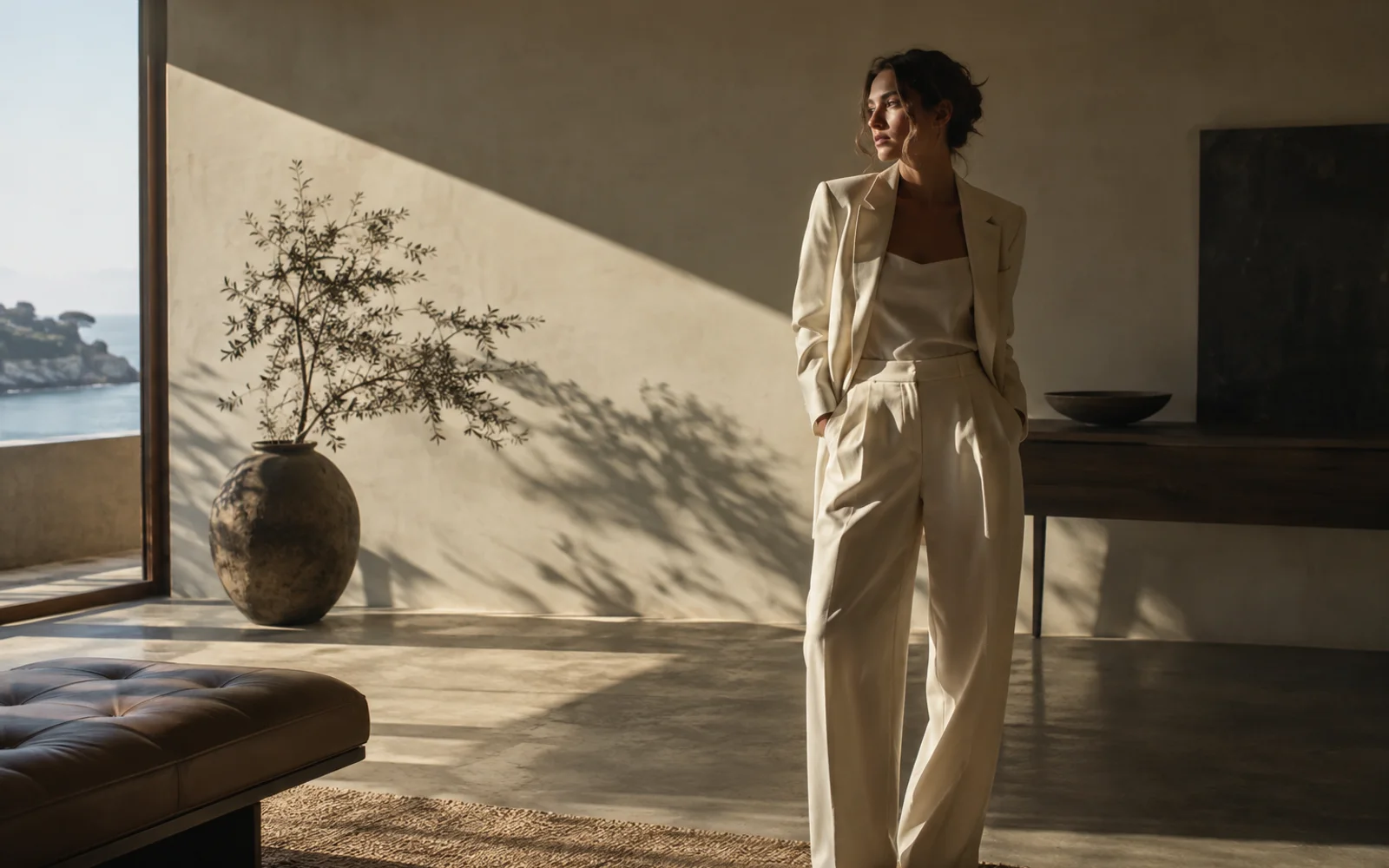
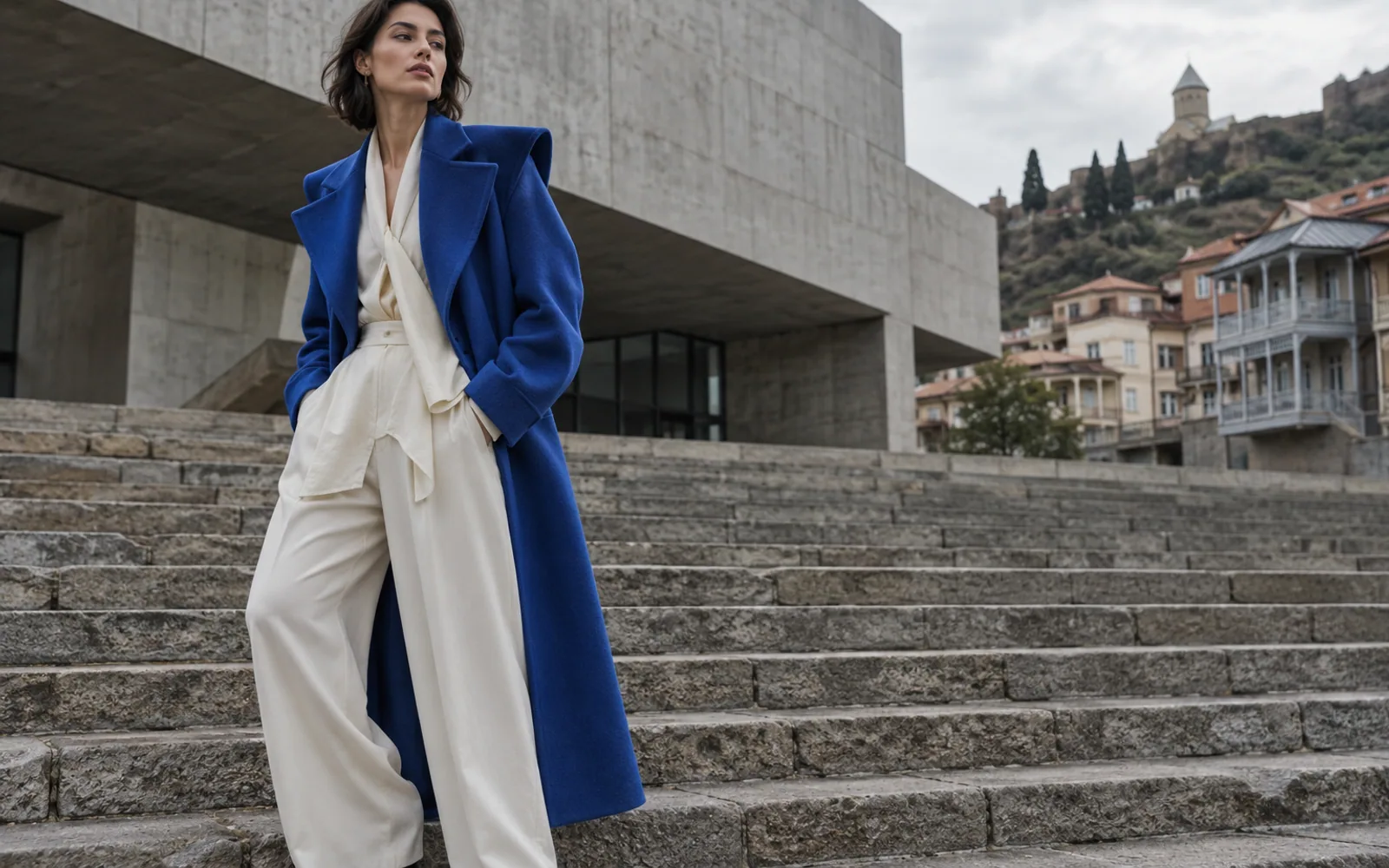
A vivid pair needs space around it. A quiet shirt or a neutral trouser can hold two saturated tones together without draining their force. Fabric matters as much as hue: matte cotton softens a color that satin makes loud.
Light changes the relationship again. What seems balanced under a shop lamp can turn startling in the street. Take the combination outside, or photograph it in morning and evening light, before deciding that it works or fails.

Train your own eye
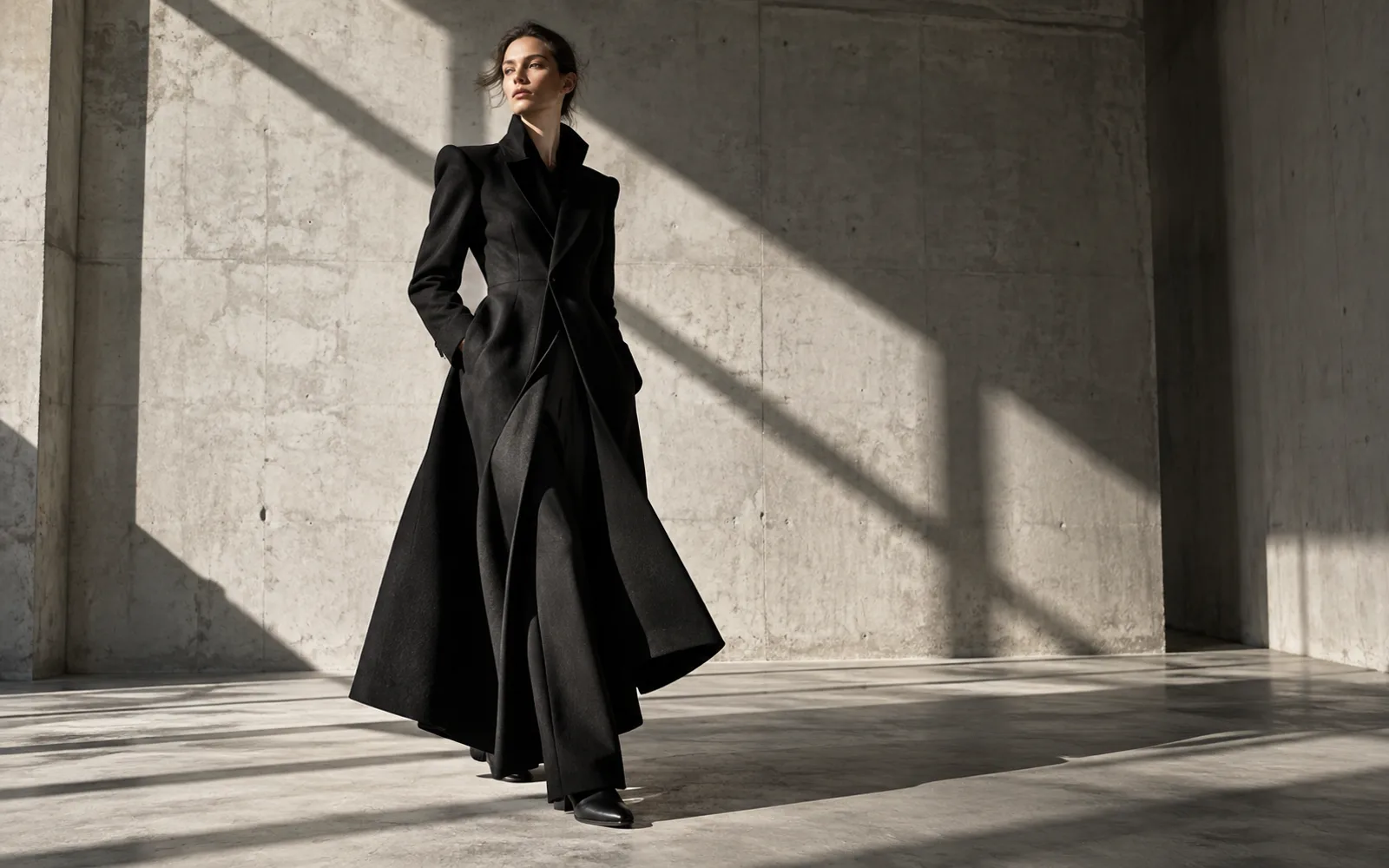
An unfamiliar combination can feel wrong simply because it is new to you. Wear it at home for a while and return to it later with a fresh look. If it still feels like a costume, adjust the proportion rather than abandoning the colors entirely.
Let one tone lead and the other answer. This process is not a test of bravery for an audience. The result matters when it brings pleasure to an ordinary day and gives familiar clothes another life.
The color you remember
Sometimes a surprising pair stays in memory because it changes how we see both colors. After trying it once, you may notice the same relationship in a shop window, a poster, or a wall at sunset.
Keep those observations, but let your wardrobe decide what belongs there. A good experiment can remain an experiment; it does not need to become a permanent uniform.
- Start with one small accent before changing the whole outfit.
- Leave a calm surface between two vivid colors.
- Check the pairing in more than one kind of light.
An interesting color combination starts a conversation rather than obeying a rule.
— ARKI Editorial