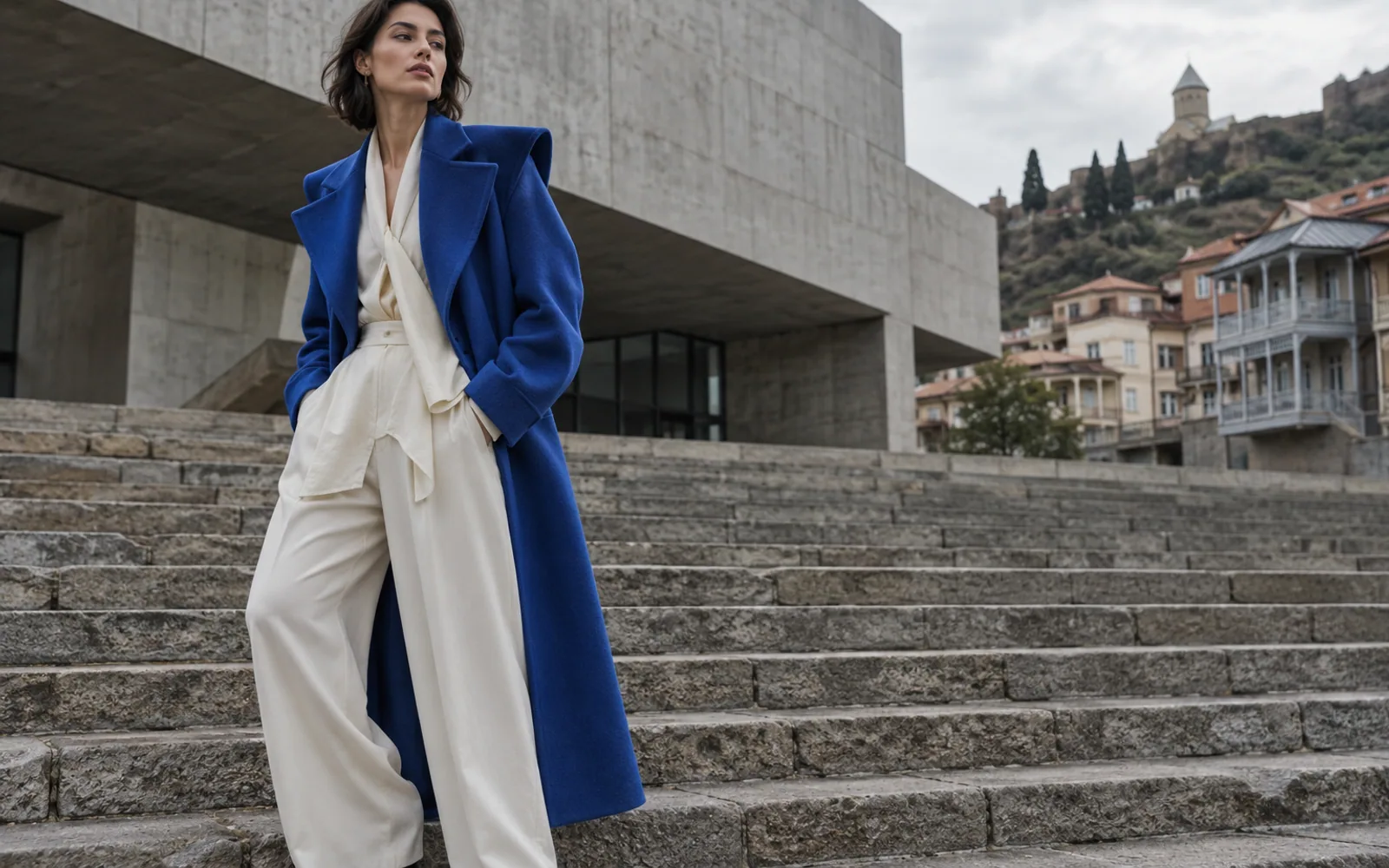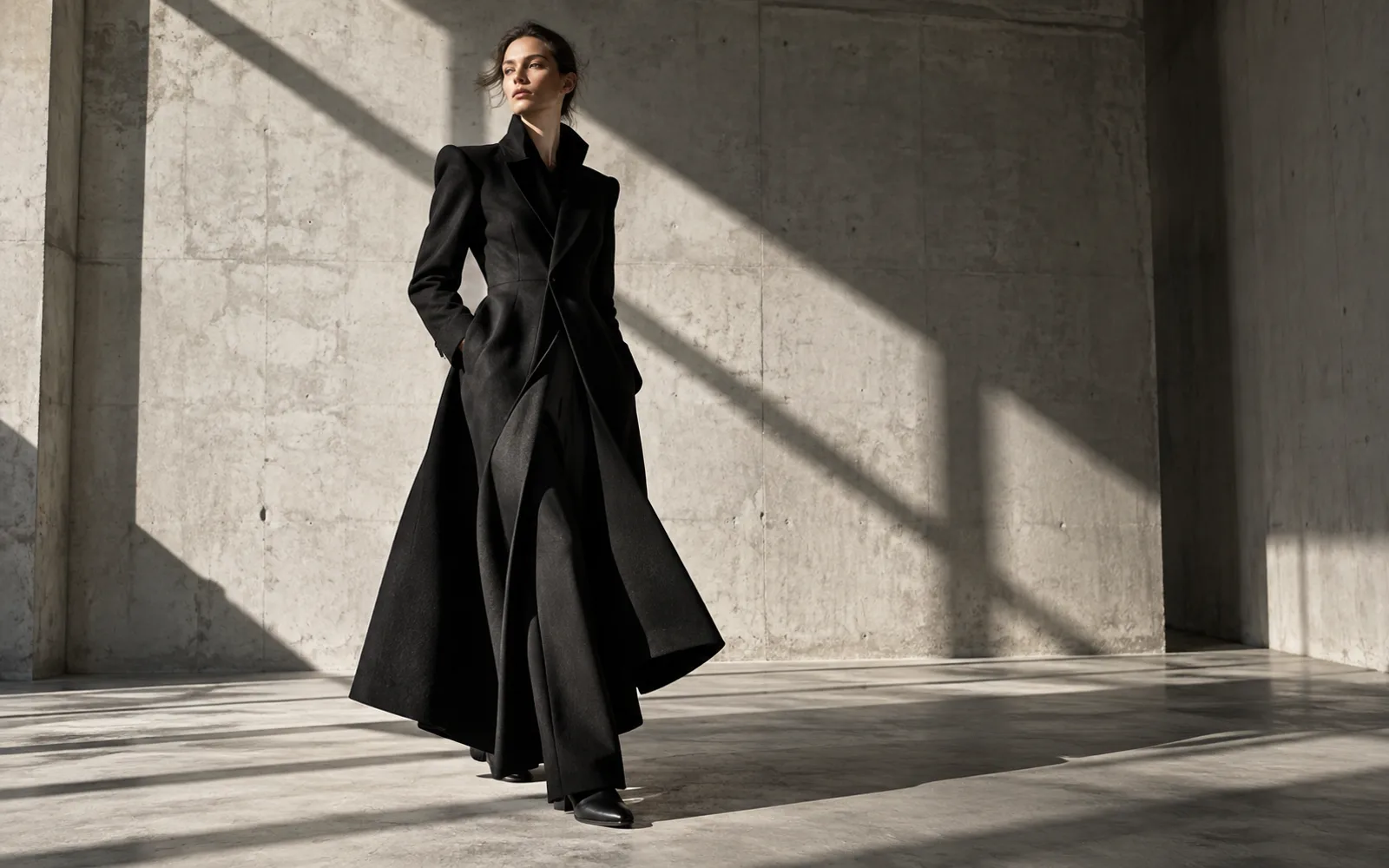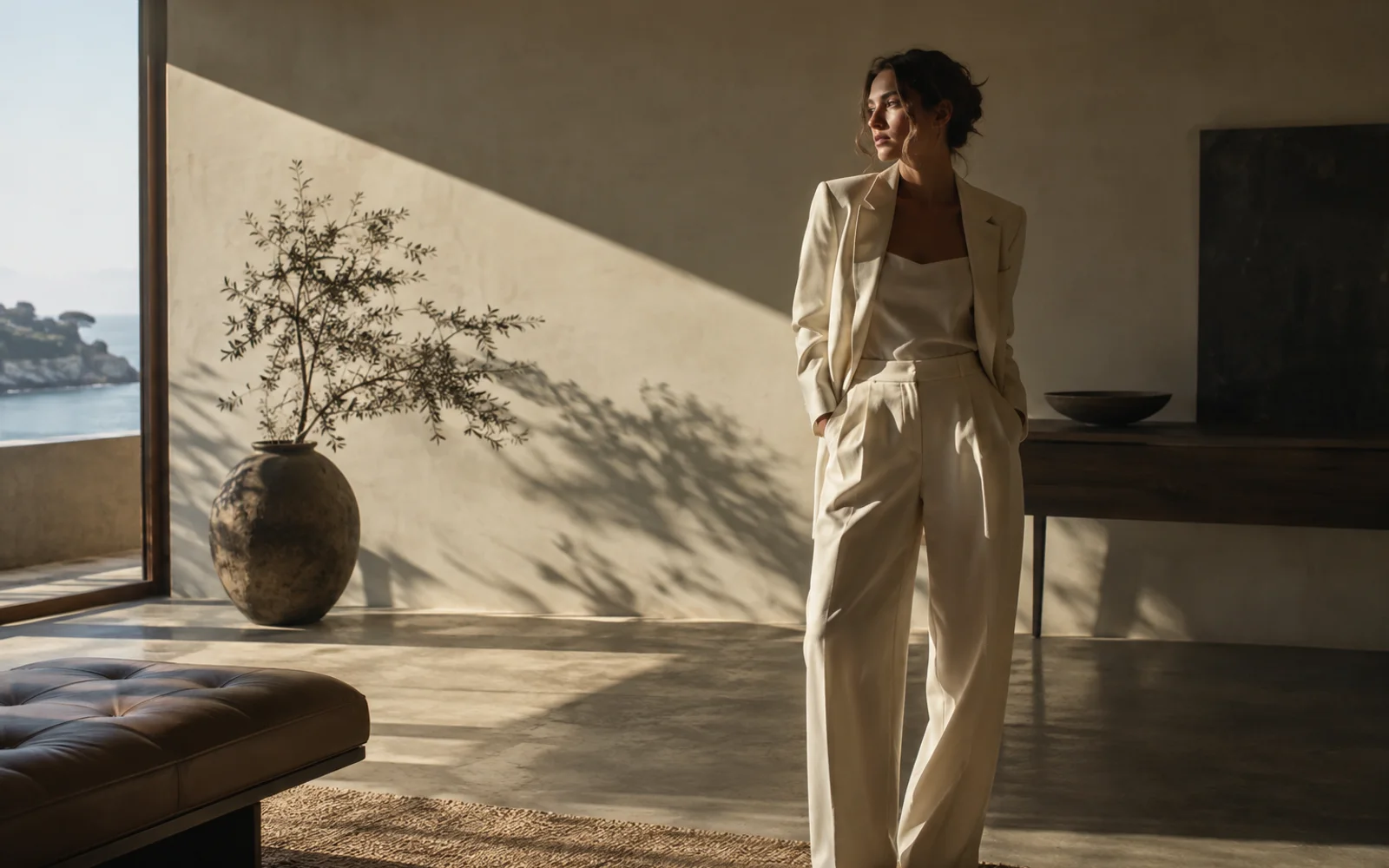
Monochrome dressing is not synonymous with monotony if we look closely at the texture and the light. ARKI Editorial
MANY VOICES IN ONE COLOR
Monochrome dressing is not synonymous with monotony if we look closely at the texture and the light.
Within a Single Tone
Dressing in one color seems like a simple rule, but the color rarely exists in one way. A beige shirt, sand-colored trousers, and a cream coat stand at a different distance from each other in the sun and become almost a whole in the shade.
These small differences bring depth. A monochrome garment is especially interesting when you live with its relative tones instead of an exact color match.
Material difference
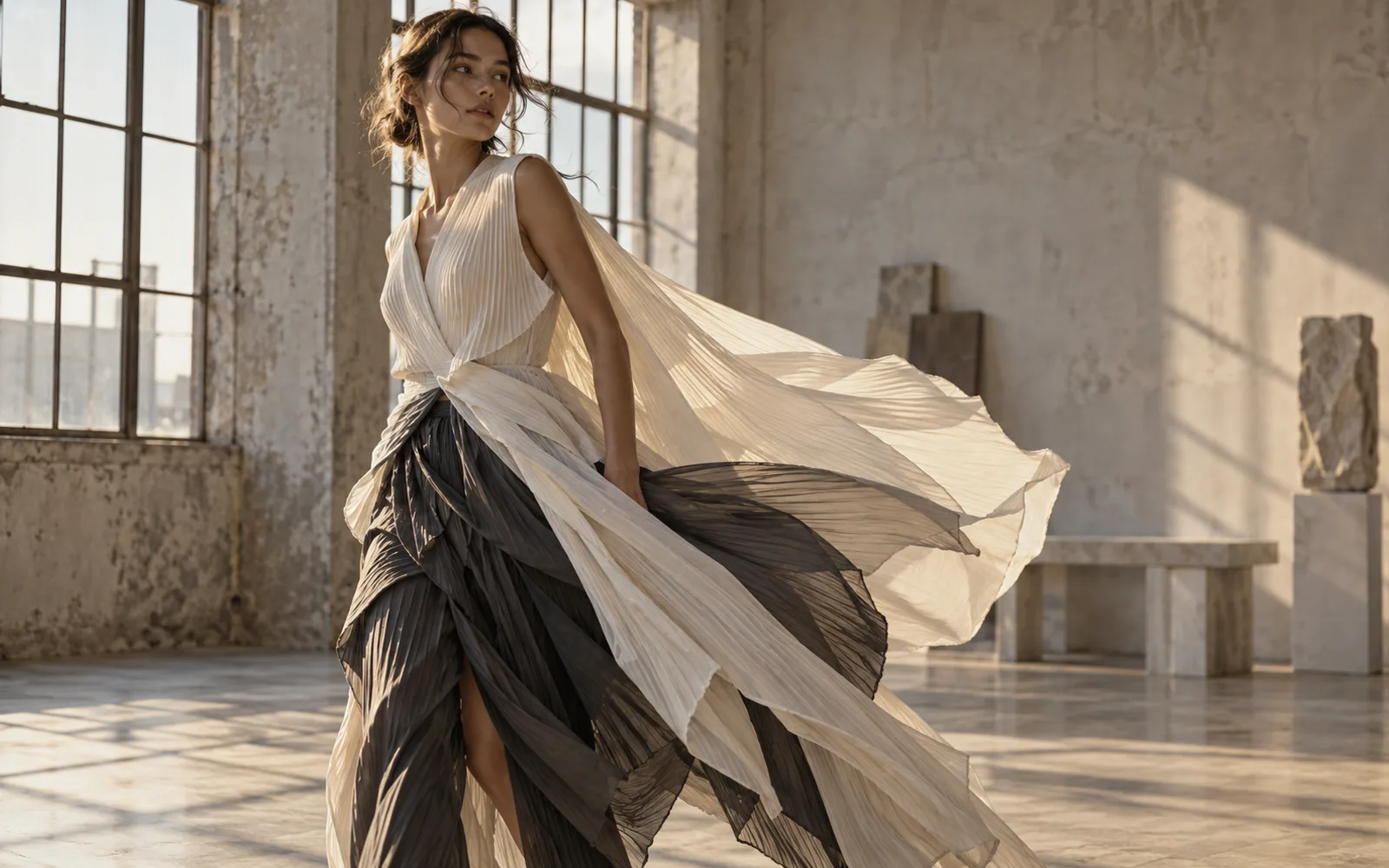
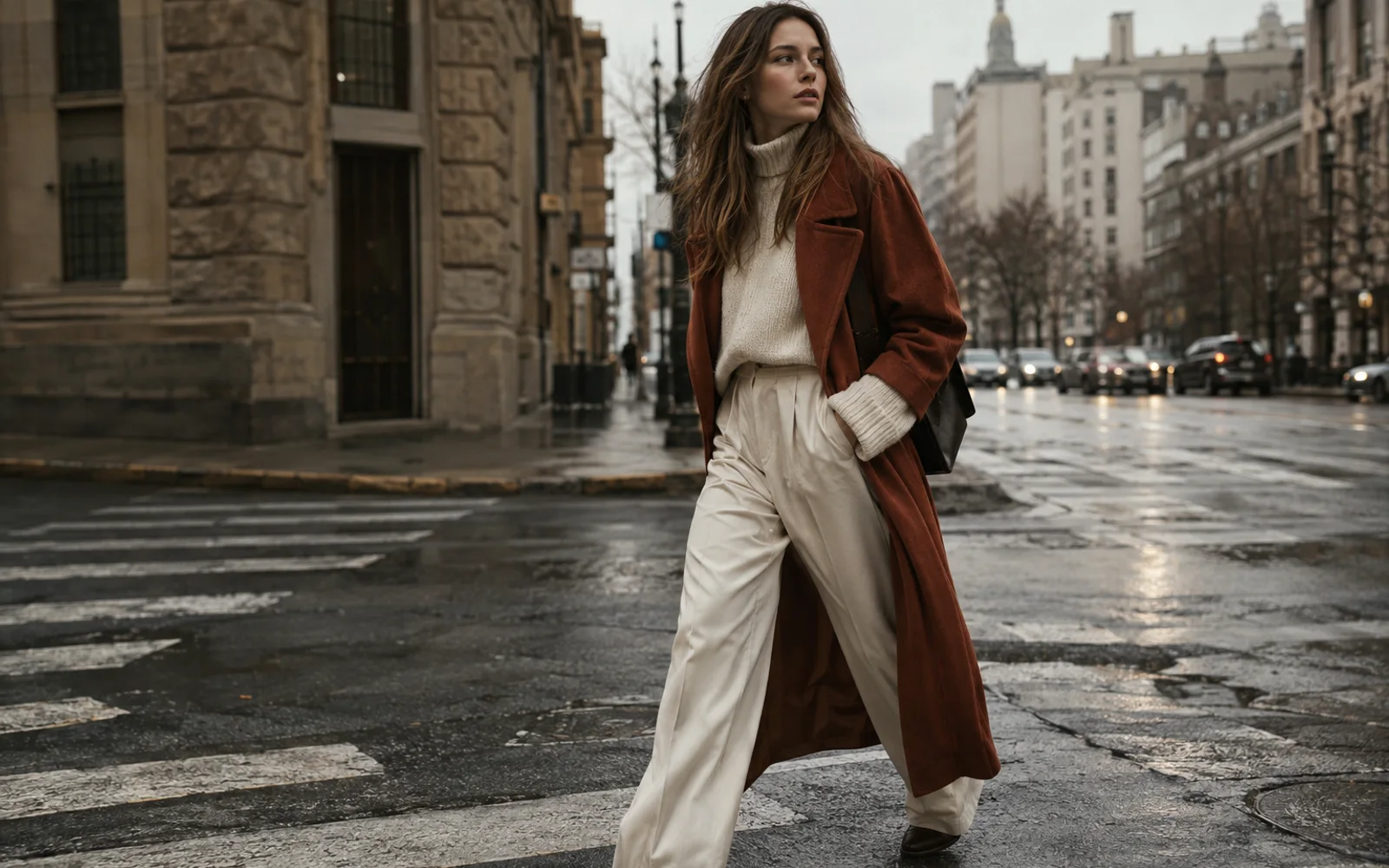
If the colors are close together, the strongest contrast comes from the materials. A woven surface creates a soft shadow, the cotton makes the shape clear, and the leather or smooth fabric turns the light back on. Such contrast of materials no longer needs additional decoration.
Touch the items by hand and think about how they will change during the day. A good combination works for the seated person as well and reads differently in motion.

Room for the Person
The monochrome background puts the person ahead. Hair color, facial expression, gesture, and voice become more noticeable because the garment does not compete with them. This is neither a commitment to self-control nor a test of minimalism.
It's just one way to build a composition differently. If you add a colorful earring or shoes one day, it will appear stronger because the space around it is already left.
Beyond the Photograph
Monochrome dressing often appears very smooth in the photo, but it is checked by movement and timing in everyday life. The woven surface changes as you sit, light color makes it easy to trace in the street, and the matte fabric almost disappears in the evening light. These changes are real qualities of the materials.
Try wearing the combination for a few hours to see if the peace you saw in the mirror has been maintained. If you finally feel yourself again, an outfit built in one color is no longer just a visual trick.
- Try the related tones instead of the exact match.
- Combine different textures.
- Assess in light and shade separately.
One color is not silence; it can also sound polyphonic.
— ARKI Editorial