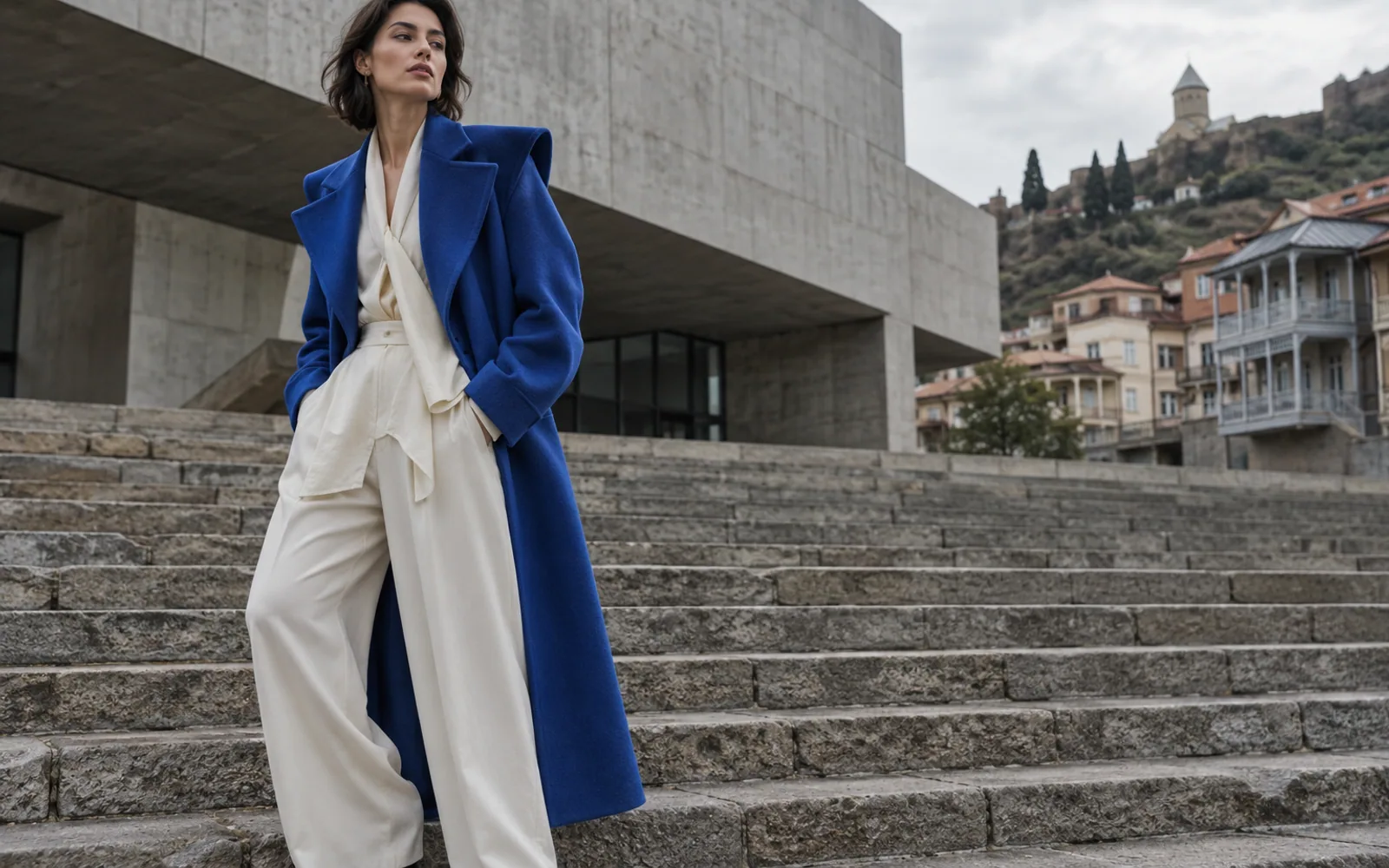
Choosing an older piece is more than nostalgia: it is a slow discovery of material, form, and personal taste. ARKI Editorial
A SECOND LIFE FOR SECONDHAND CLOTHES
Choosing an older piece is more than nostalgia: it is a slow discovery of material, form, and personal taste.
The Pleasure of Searching
Entering a second-hand garment store is not like receiving a ready-made answer. Fabrics and sizes sit side by side on the rack, so you have to understand what you want to notice first.
Touch the material instead of the label, look at the stitching, look at the item from both sides. This is how you find not just a cheap alternative, but an item with a history that you can bring into a new context.
Repair as design
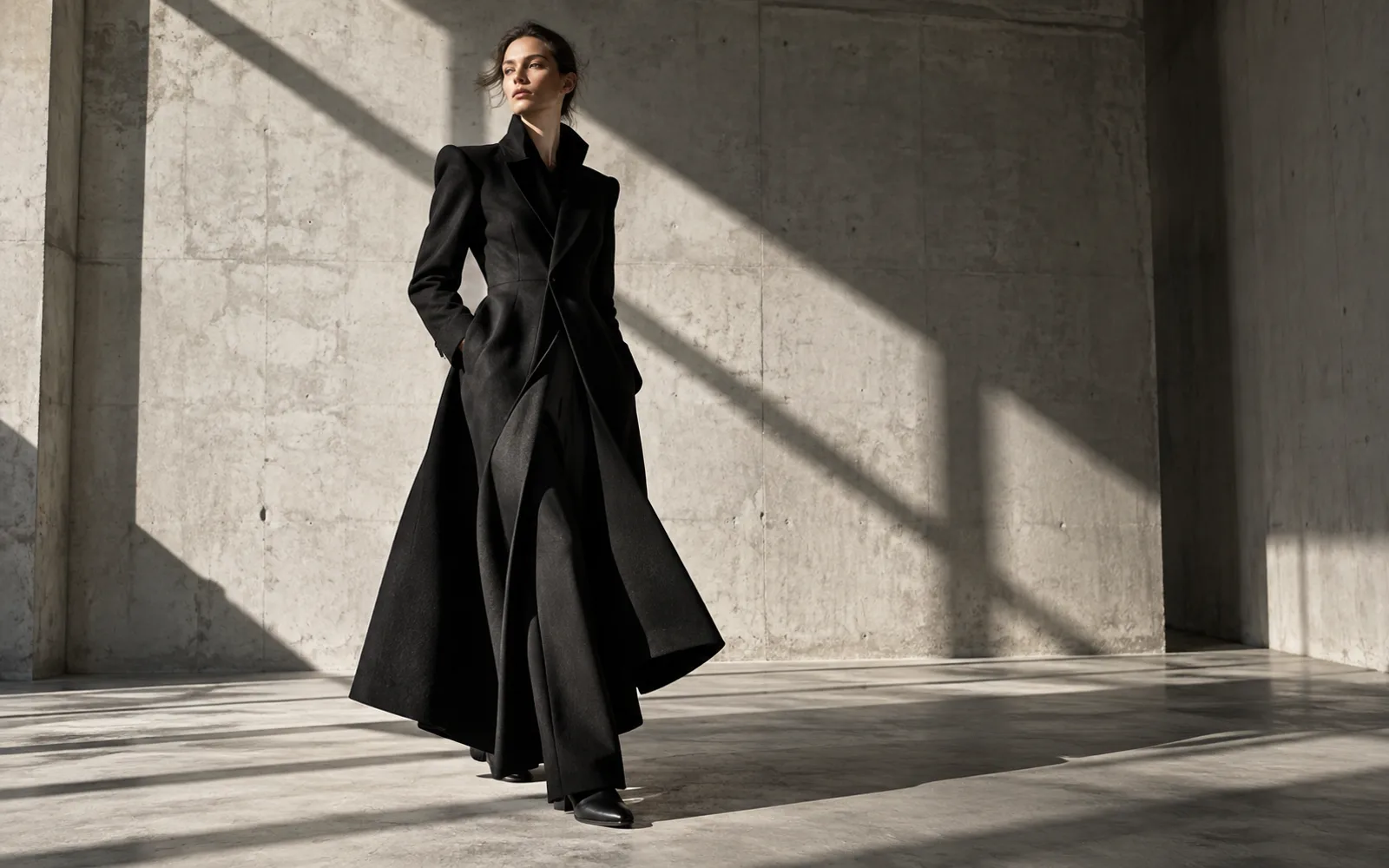
Often the best discovery requires a little intervention. Replacing the button, adjusting the waist, or cutting an extra length prepares the item for a new body. Talking to a tailor is part of the process: what should remain unchanged and where can the shape be boldly moved?
Repair is not about hiding flaws. It's a continuation of the choice, because your participation in the final garment is already evident.

What Stays in the Wardrobe
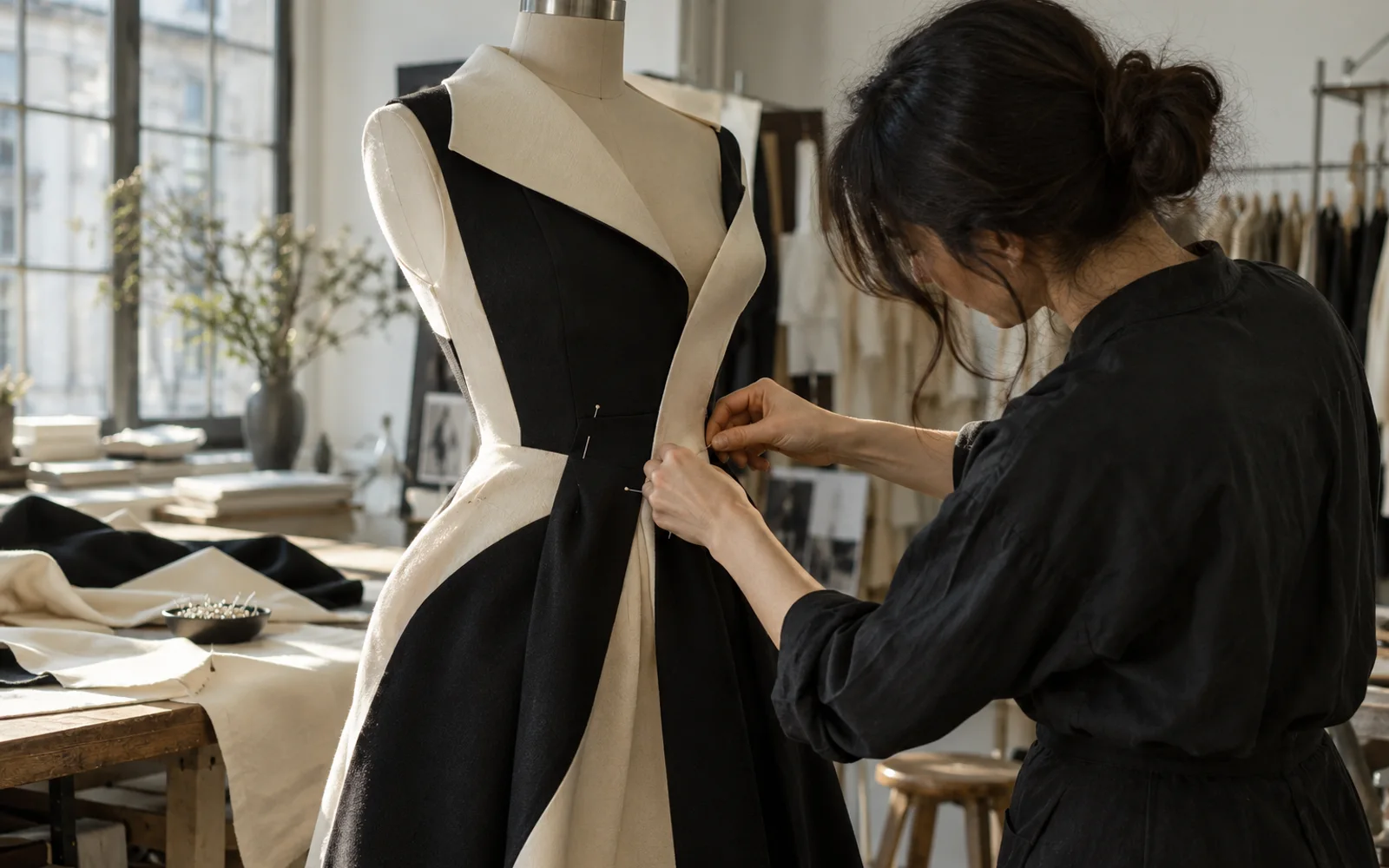
Buying a used item is only a good decision when it actually appears in everyday combinations. Ask yourself which three things you already own you would wear it with and how easy it will be to care for. If the answer is clear, the item probably belongs to your taste.
If you only want it because of rarity, it might be better to leave it on a rack. The most interesting wardrobe is not a warehouse of collected stories, but a small collection of pieces you actually use.
Continue item history
The most interesting feature of a second-hand garment is that we never fully know its past. Only a faded pocket or an altered button can show us how it was used. You can add a part of yourself to this unknown story, but you should be honest about the condition of the item. If the fabric falls apart soon, the rarity will not make it useful.
And if the structure is strong, a small flaw may invite a thoughtful repair. After choosing, remember how many times you wore it. Wearing it shows whether the item has truly gained new life.
- Check the fabric and stitches.
- Schedule the necessary repairs.
- Imagine three real combinations.
The old thing has a new life when you really wear it.
— ARKI Editorial