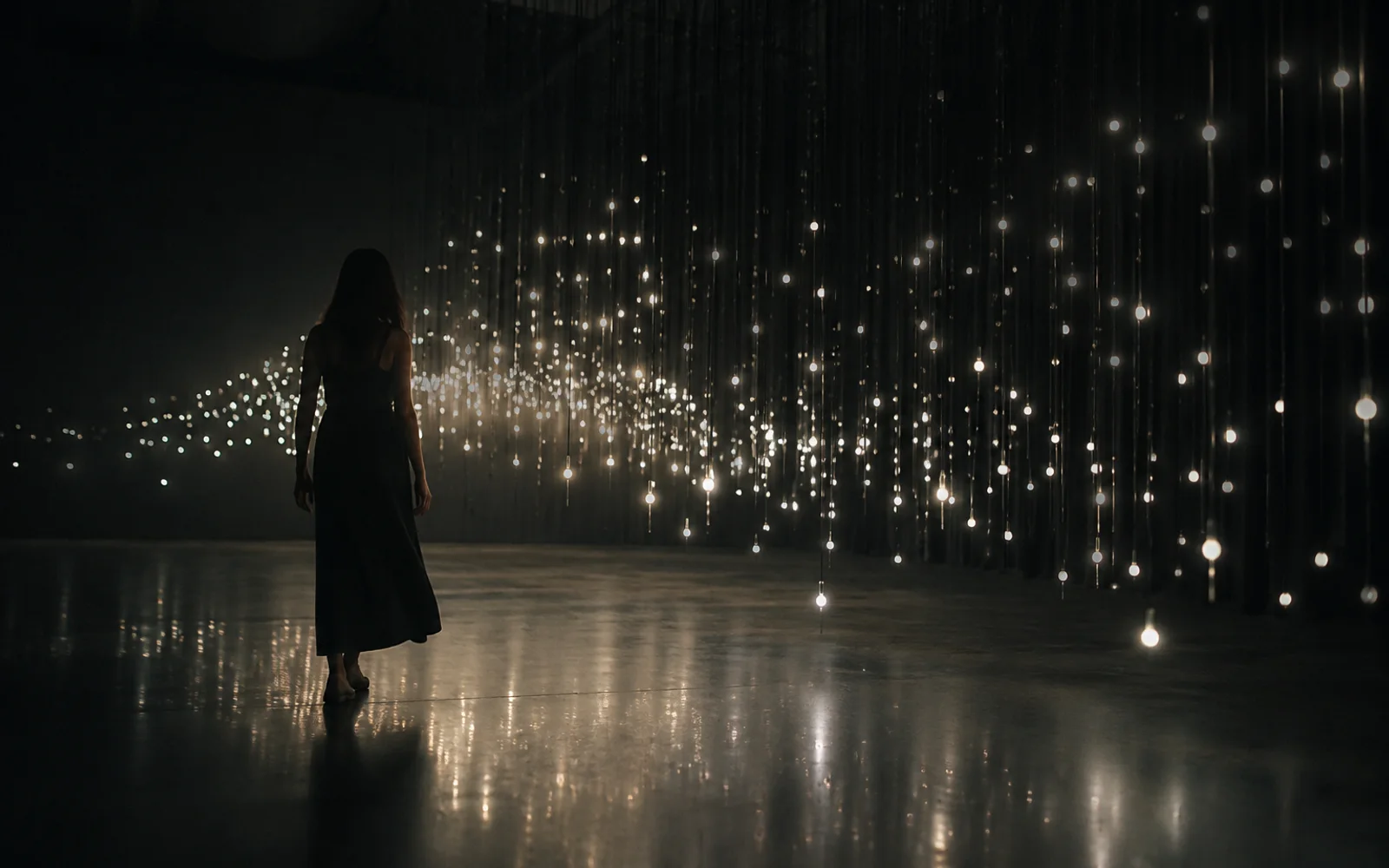
A memorable photograph depends less on device price than on light, distance, and patient attention. ARKI Editorial
THE ART OF PHONE PHOTOGRAPHY
A memorable photograph depends less on device price than on light, distance, and patient attention.
Search for the light
A phone camera is always close, which makes it easy to press the shutter before looking. Pause first. Notice whether light is coming from a window, bouncing from a wall, or flattening the scene from above.
Moving a step can change the entire image. The best available light is not always the brightest. A softer edge may reveal a face or texture more honestly than a dramatic effect applied afterward.

Decide what stays in the frame
A photograph begins with a boundary. Walk closer, lower the phone, or turn it slightly to see what enters and leaves. An ordinary object can become interesting when the background stops competing with it.
Do not rely on cropping to solve every decision later. Looking carefully at the edges before capture trains the eye to understand the scene as a whole, including the empty space that gives the subject room.


Before sharing
The ease of making a picture is not permission to publish it. If another person is recognizable, ask whether they are comfortable being shown. Check the image for private information in the background and consider whether the story it tells is fair.
Some photographs are best kept for the people present. A good camera practice includes both the patience to make a frame and the judgment to decide where it belongs.
A picture kept
A technically imperfect photograph may still hold the atmosphere of a day better than a polished image. Keep some frames because they matter to you, not because they will perform well in a feed.
Phones make photography available everywhere; attention gives that availability a purpose.
- Move to improve the light before using a filter.
- Check the edges of the frame.
- Ask before sharing pictures of other people.
The most useful camera feature is a photographer willing to look twice.
— ARKI Editorial