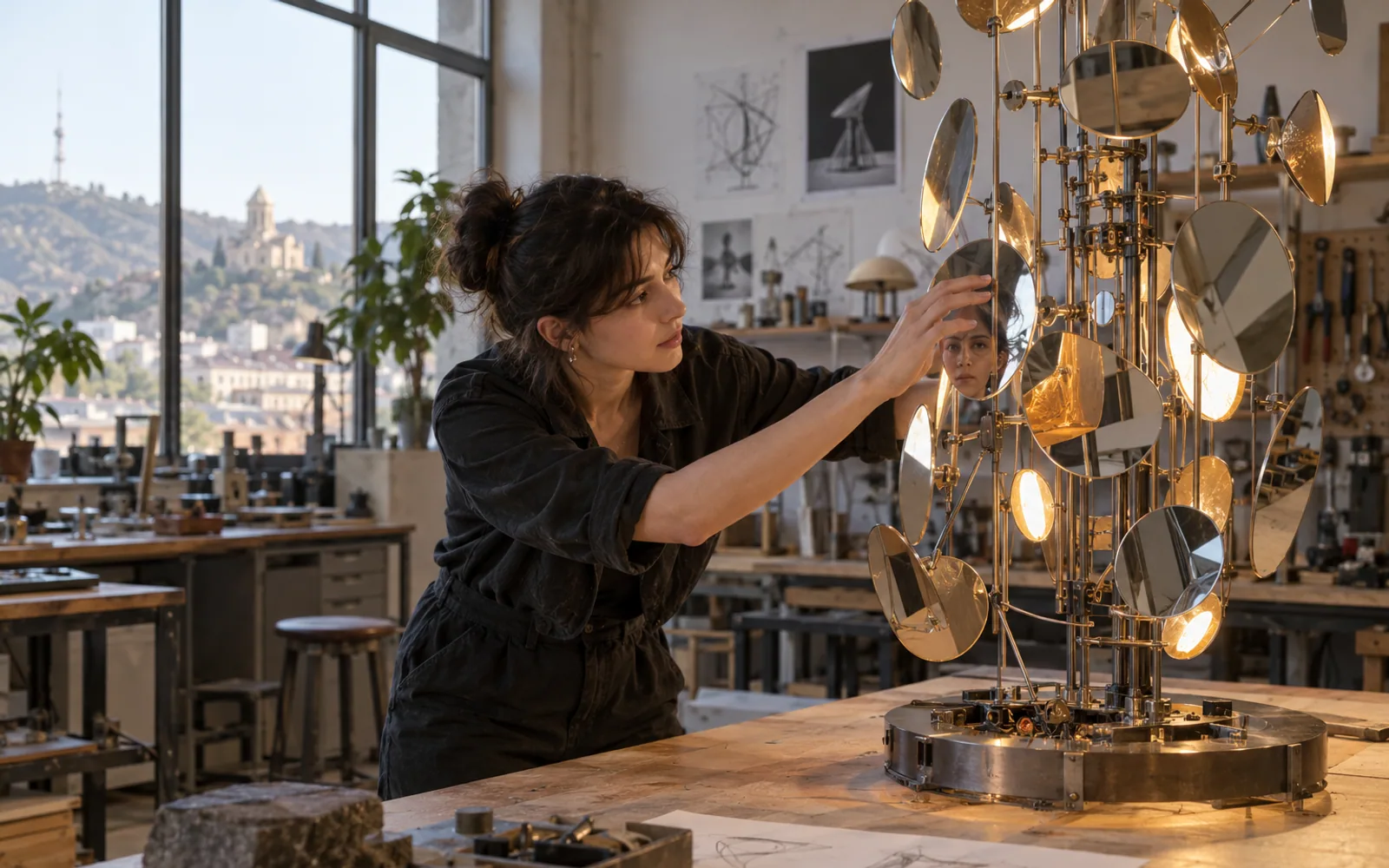
AI can accelerate experiments, while taste, source awareness, and responsibility remain human decisions. ARKI Editorial
AI IN CREATIVE WORK
AI can accelerate experiments, while taste, source awareness, and responsibility remain human decisions.
Begin with a real question
A new tool can produce variations before an artist knows what they want to ask. That speed is exciting, but it can also fill the workspace with options that lead nowhere. Start by naming the problem: a layout to test, a phrase to challenge, or a visual direction to compare.
Treat generated results as sketches, not conclusions. The useful work begins when a person selects, rejects, combines, and explains why one direction matters.
Respect the source
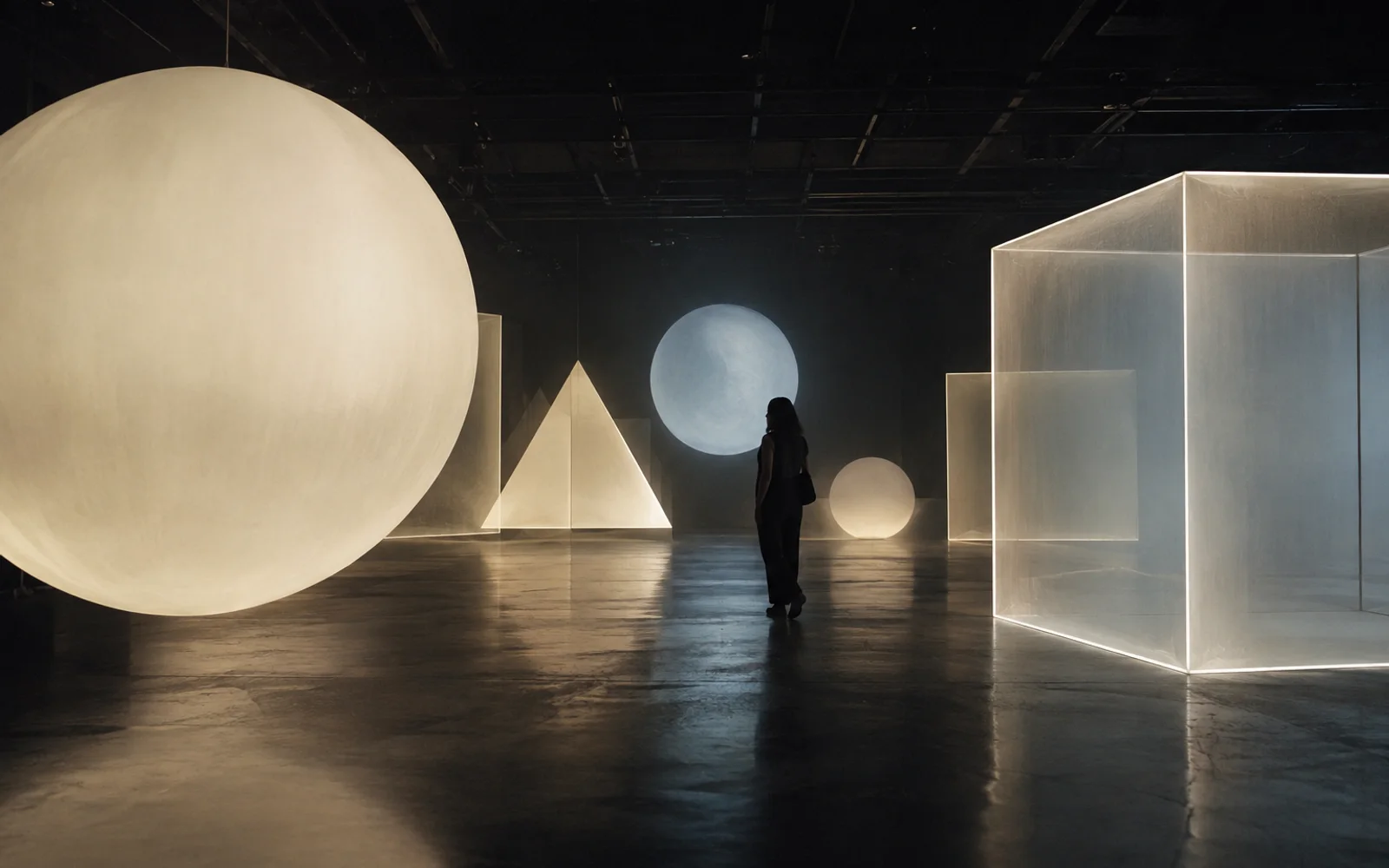
Creative material has histories and makers. When a tool suggests an image or a passage, ask where its references may have come from and what permission is needed for the final use. Avoid presenting borrowed style or unverified detail as a fresh fact.
Keep records of the human sources you consciously used. Transparency about process helps an audience understand the work and helps collaborators know which parts they can responsibly build upon.
Keep an authorial voice
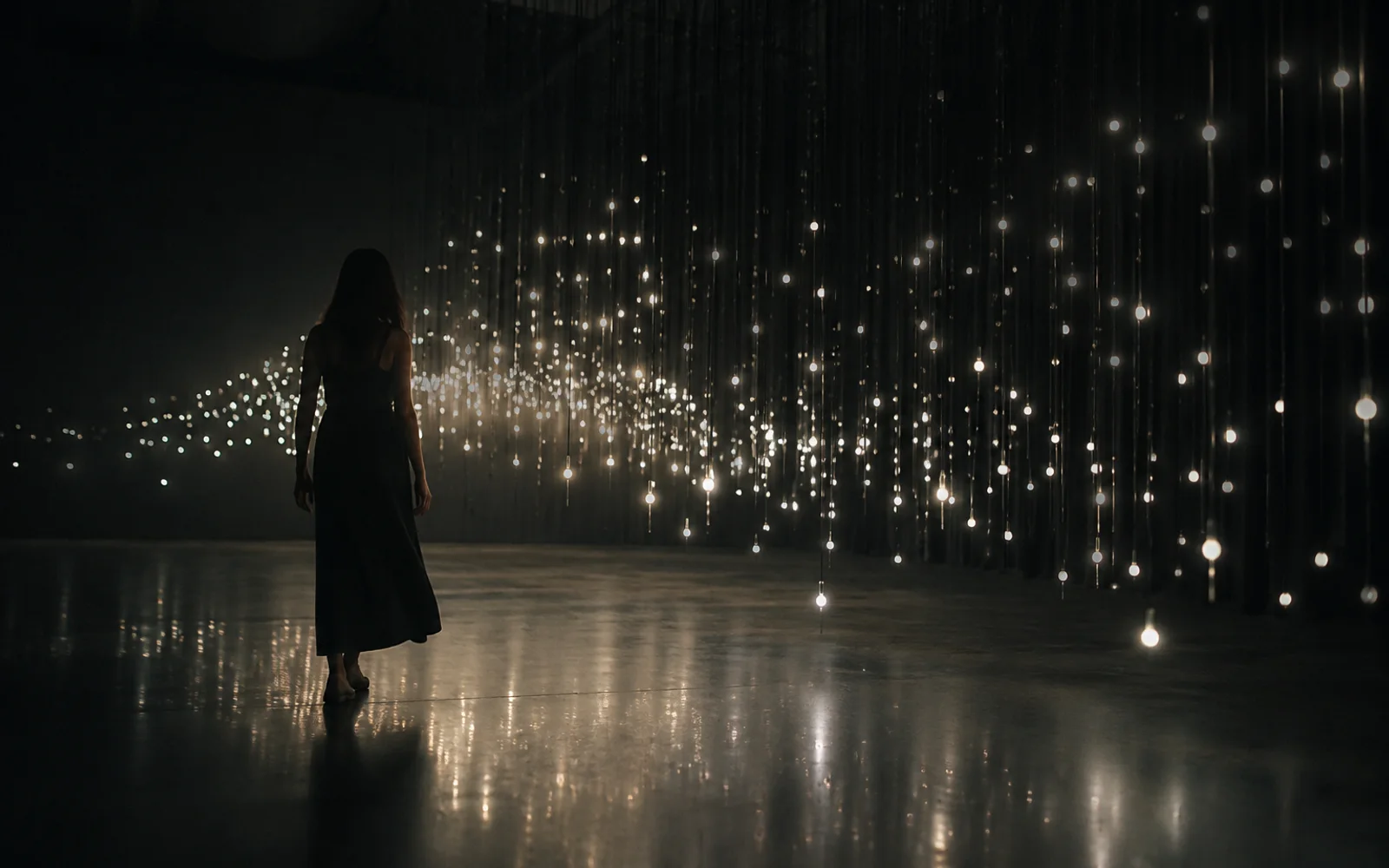
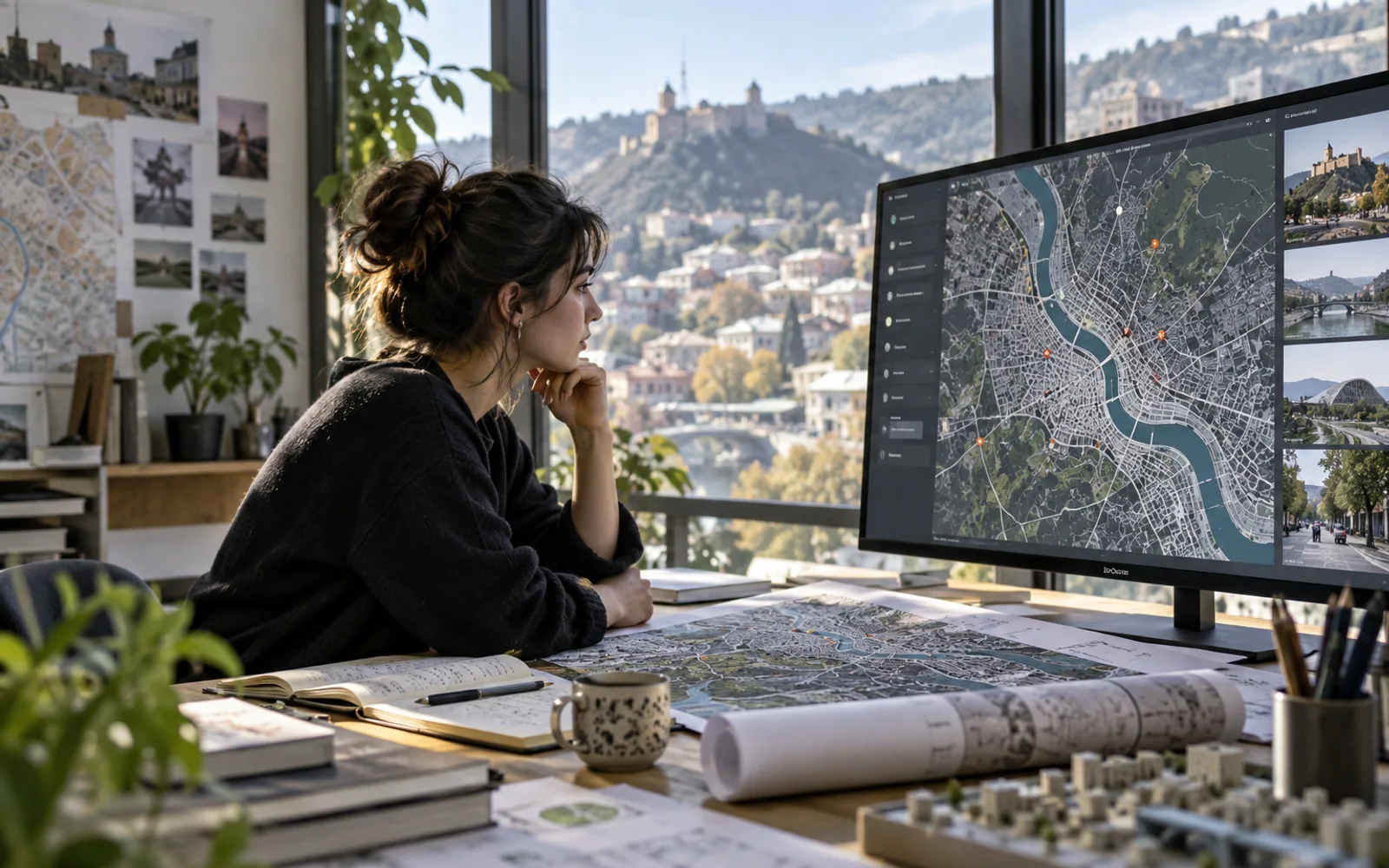
The strongest use of AI may be to reveal what a creator does not want. A stack of plausible drafts can sharpen a preference for a specific rhythm, detail, or point of view. Rewrite with that knowledge.
Check factual claims, read every line, and make the final piece something you can stand behind. Tools can shorten the route to an experiment; they cannot take responsibility for the relationship between the work and its audience.
The next draft
An AI-assisted result should still survive an ordinary editorial question: What is this trying to say, and why should someone trust it? If the answer is unclear, another generated version may not help.
Step away from the tool, speak with a collaborator, and return with a sharper purpose. The human conversation remains part of the process.
- Define the creative question before generating options.
- Check sources, permissions, and factual claims.
- Edit until the final work reflects a deliberate human choice.
A fast suggestion becomes creative work only through considered decisions.
— ARKI Editorial