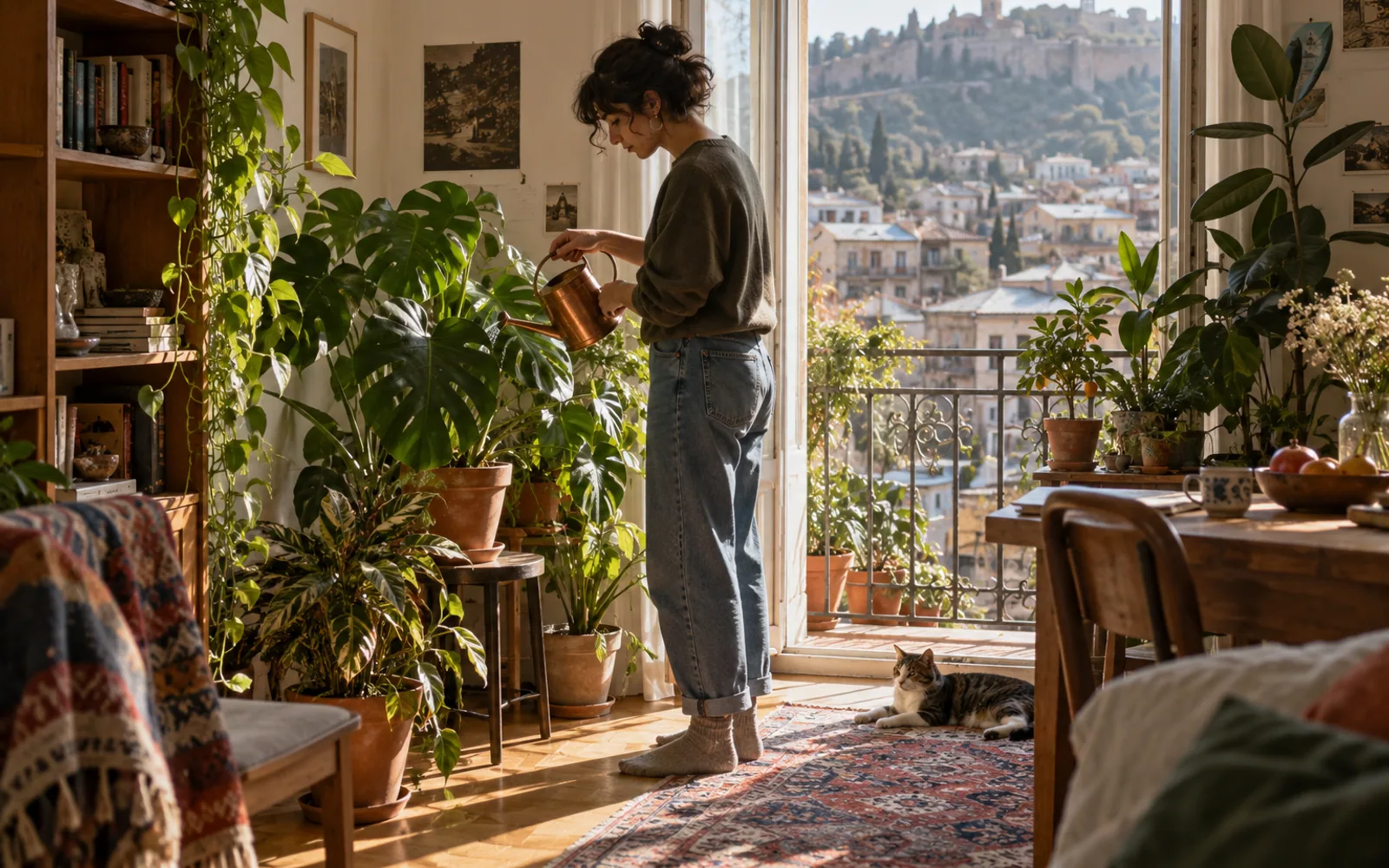
Rest deserves its own place in a day; it need not be earned as a reward for productivity. ARKI Editorial
PERMISSION TO REST
Rest deserves its own place in a day; it need not be earned as a reward for productivity.
The difficulty of stopping
Many people reach a pause and immediately fill it with another task. The habit can make stillness feel undeserved, even when the body is tired. Try noticing that impulse without turning rest into another assignment to complete correctly.
A short break may begin with sitting down, eating without a screen, or closing the door for a few minutes. The first step is allowing the pause to exist without explaining its usefulness.
Different forms for different people
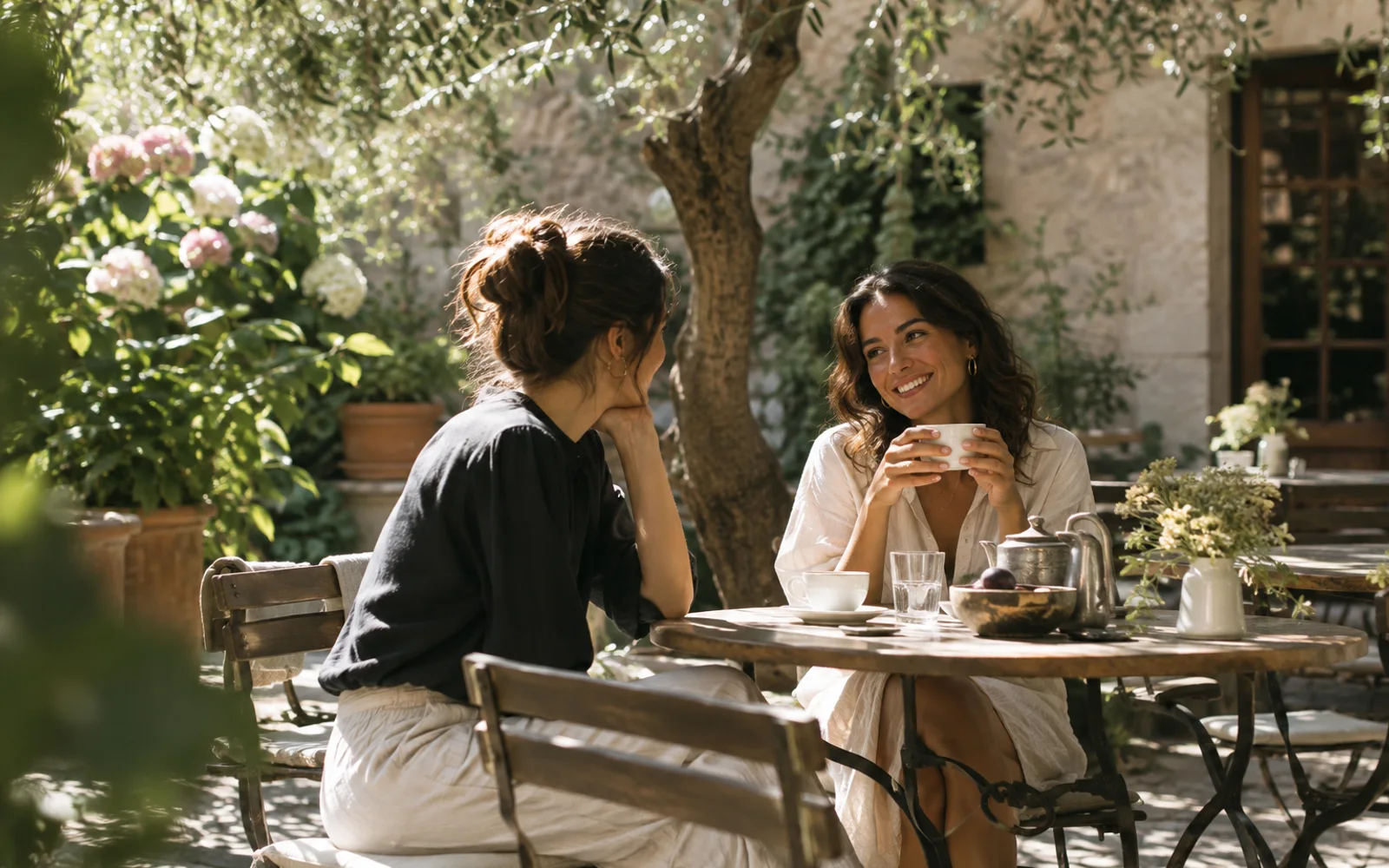
Rest does not look the same for everyone. One person recovers in quiet; another needs a slow walk or easy company. What matters is whether the activity leaves room for the mind and body to recover, not whether it resembles a fashionable picture of self-care.
Pay attention to how you feel afterward. A break that returns you more tired may be asking for a different form next time.

Returning without a debt
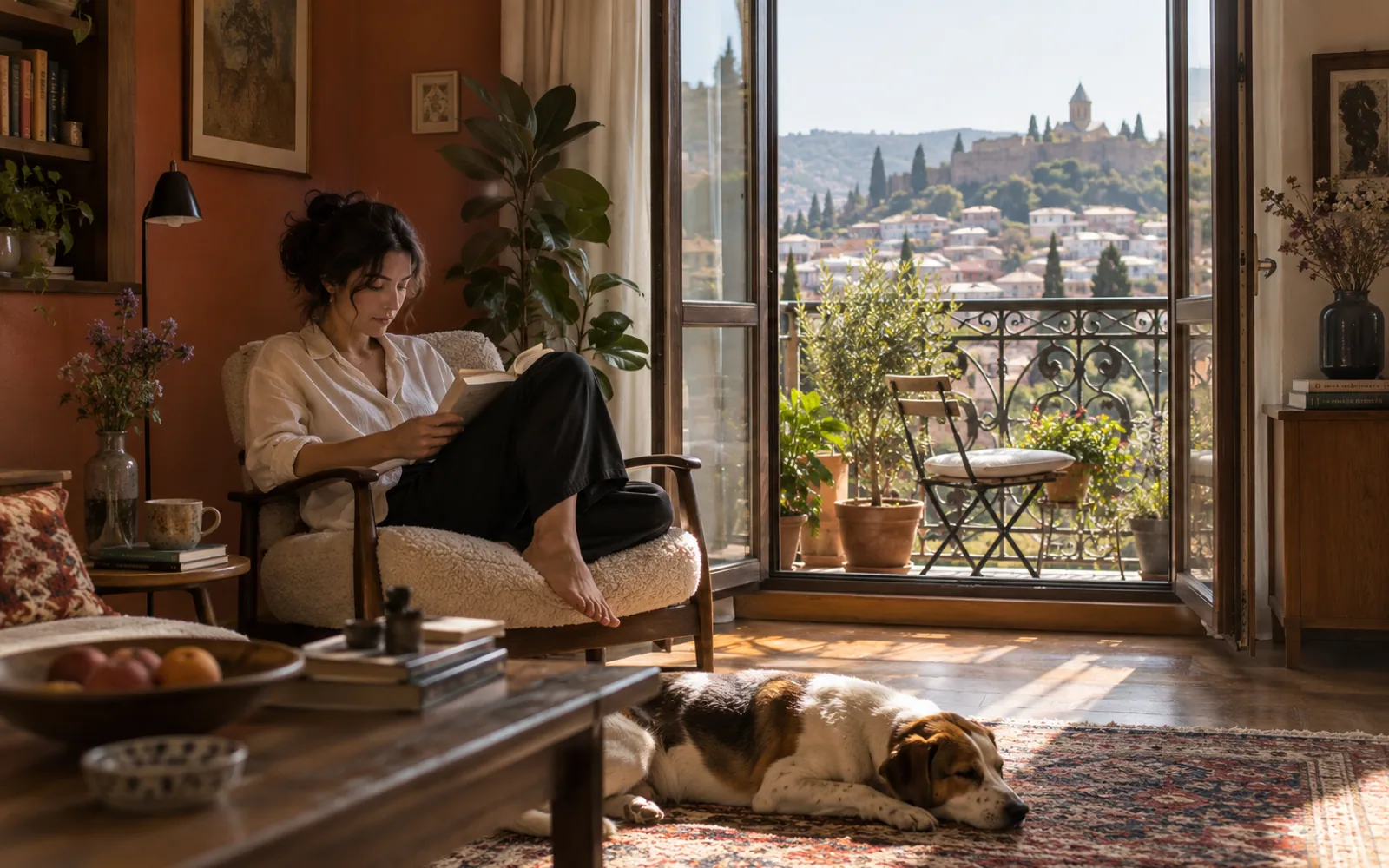
Rest can make work possible, but that is not its only justification. You are allowed to stop even when no impressive task follows. This thought can be difficult in a schedule built around constant output.
Give rest a place in the calendar where you can, and defend it as ordinary time. A life needs intervals in which nothing has to be produced in order for the person living it to remain present.
A gentle return
The end of a break need not arrive with a dramatic burst of energy. You may simply feel a little more able to meet the next part of the day.
That is enough. Rest works in modest ways, and its value does not depend on whether anyone else can see it.
- Notice the impulse to fill every pause.
- Choose a form of rest that actually restores you.
- Protect time off without demanding a productive result.
Rest is part of living, not a prize at the end of enough work.
— ARKI Editorial