A familiar street becomes new when it is more than the shortest route to somewhere else. ARKI Editorial
THE ART OF WALKING THROUGH THE CITY
A familiar street becomes new when it is more than the shortest route to somewhere else.
Choose another turn
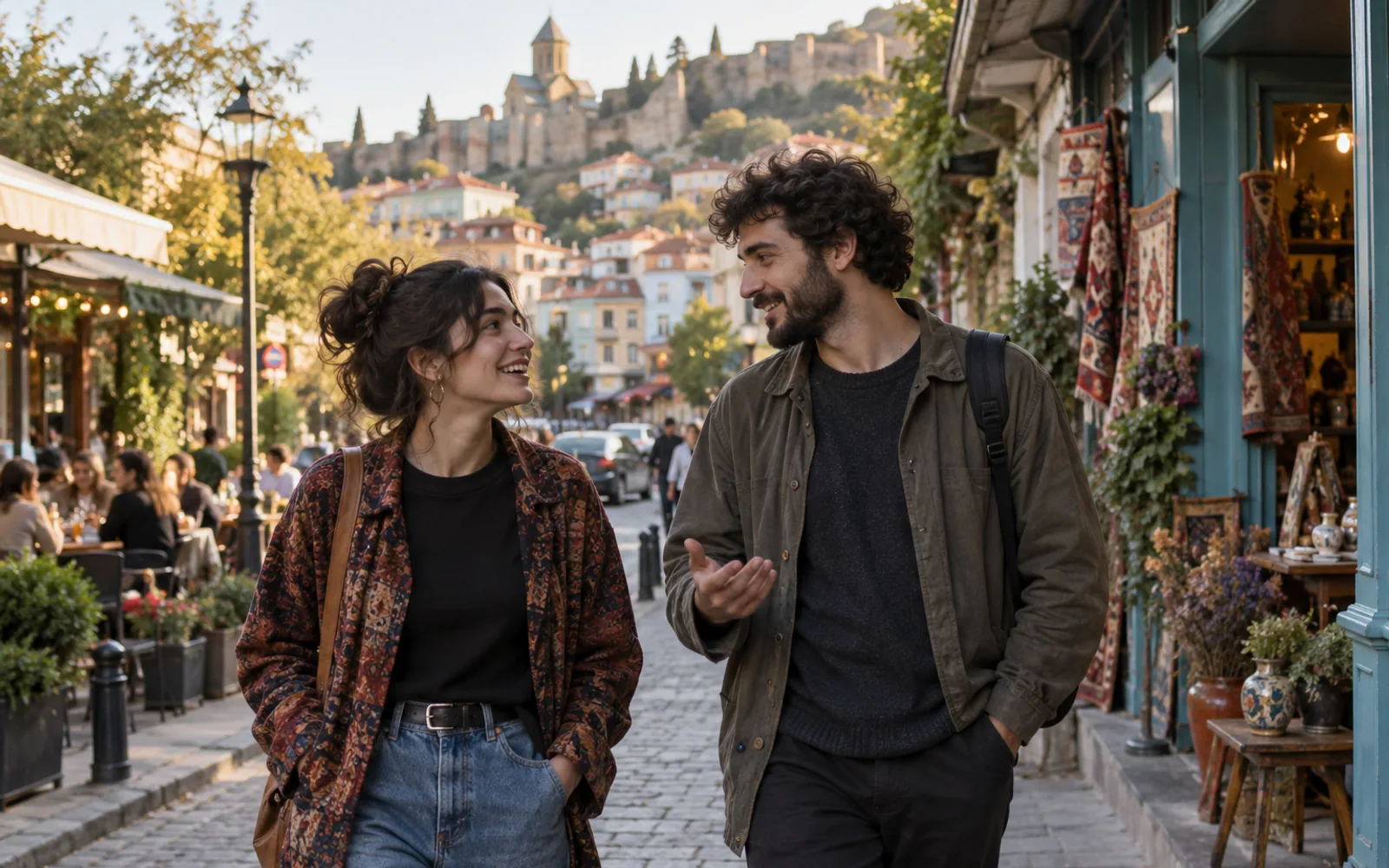
Most of us have a route we follow without thinking. On a day with a little time, turn one street earlier or cross to the other side. The change may reveal a doorway, a tree, or the sound of a courtyard that was always nearby.
You do not need to turn every walk into an expedition. A small variation is enough to remind the eye that a city contains more than our usual list of destinations.
The pace of a body
Walking makes the city legible at human speed. A bus window compresses details into a view; on foot, you can notice a repair in the pavement or a shop preparing to open.
Pace also reveals what the route asks of people: where a crossing feels unsafe, where there is shade, and where someone can stop to rest. Attention to the city begins with attention to the bodies moving through it.

What comes home with us
A walk may leave no photograph or purchase. It can still change the rest of the day. A color on a wall, a brief exchange, or the memory of a quieter street can become a thought you carry home.
Let some routes stay unrecorded. The value of walking is not only discovery but the freedom to be present without immediately turning an observation into a task.
Returning by another way
The same place changes with the hour and the direction of travel. What was unnoticed on the way out may become the strongest memory on the way back.
Repetition and surprise can live together in a city; both depend on the attention we bring to the path.
- Vary a familiar route by one turn.
- Notice crossings, shade, and places to rest.
- Allow a walk to matter without documenting it.
The city opens at the speed of a person willing to look.
— ARKI Editorial