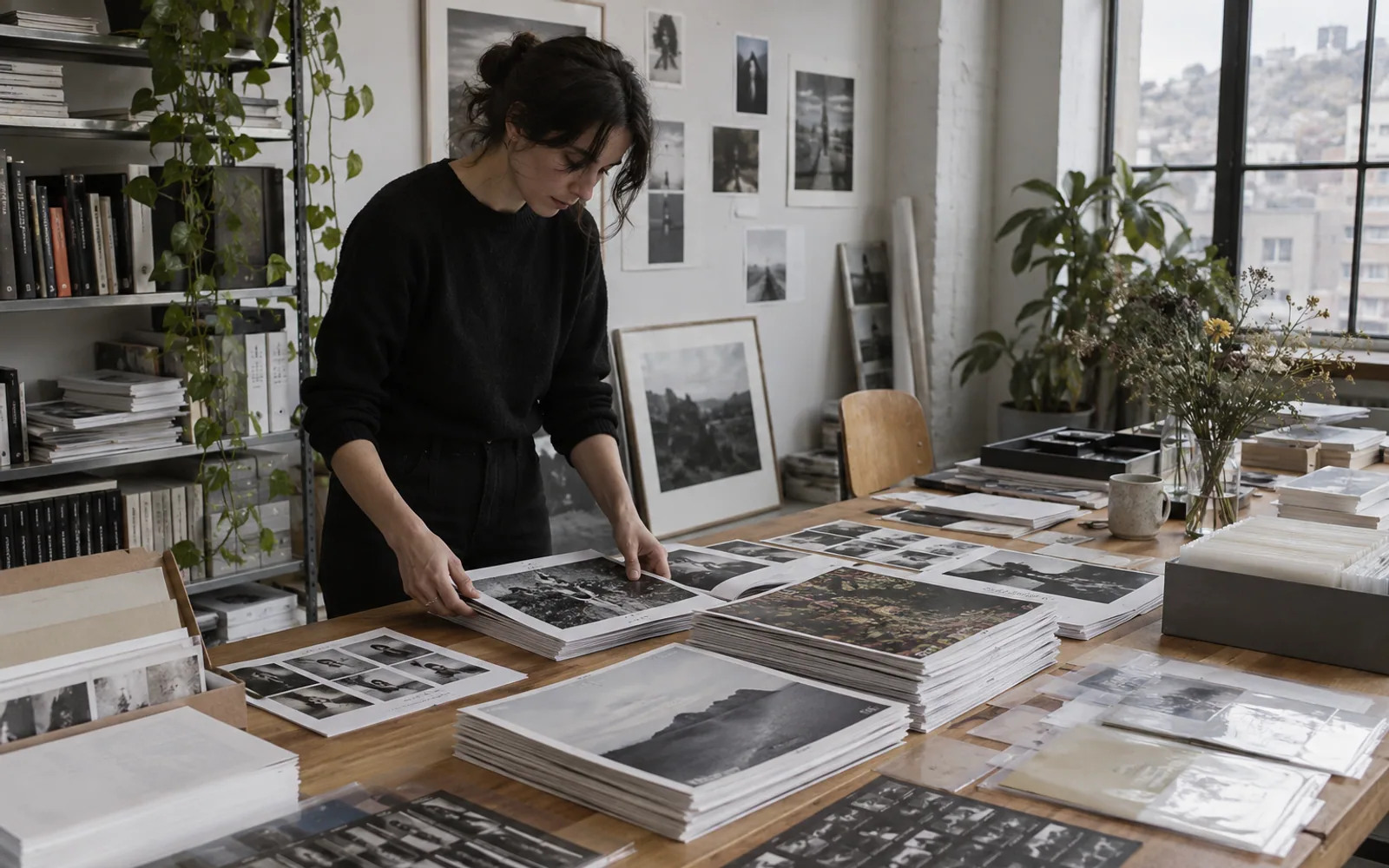
Past pages are more than storage; they can become material for the next editorial question. ARKI Editorial
OPENING THE MAGAZINE ARCHIVE
Past pages are more than storage; they can become material for the next editorial question.
Read an old page again
An archive shows what a magazine once thought was urgent and how it chose to present that urgency. Open an old issue without assuming its answers still fit. Look at the voices included, the ones missing, and the design choices that framed them.
Some pages may feel newly alive; others may show a limitation the editors can now name. Both responses are useful. An archive is a record of decisions, not a shrine to earlier certainty.

Build a digital guide
Scanning pages makes them available only in the narrowest sense. Readers need issue dates, subjects, credits, and a way to move between related material. A short introduction can explain why a story mattered then and what has changed since.
Preserve the original page while giving visitors enough context to read it responsibly. Search and navigation should help people find a path rather than leave them inside an endless grid of covers.

What the next issue can do
The archive may reveal a person worth revisiting or a question that deserves a different answer today. Invite the original contributors where possible, and bring new voices to the conversation. Do not use past work simply as a visual style to imitate.
Let it challenge the team’s habits. A living archive makes the present issue more honest about where its ideas came from and where they still need to go.
The page we have not made
A magazine’s history is never complete while it is still publishing. Each new issue will one day be read against choices the team cannot foresee.
Recording context and credit now is a gift to those future readers and to future editors trying to understand the work they inherit.
- Read past work with curiosity and criticism.
- Add context, credit, and navigation to scanned pages.
- Use the archive to ask new questions.
An archive opens when old pages begin a new conversation.
— ARKI Editorial