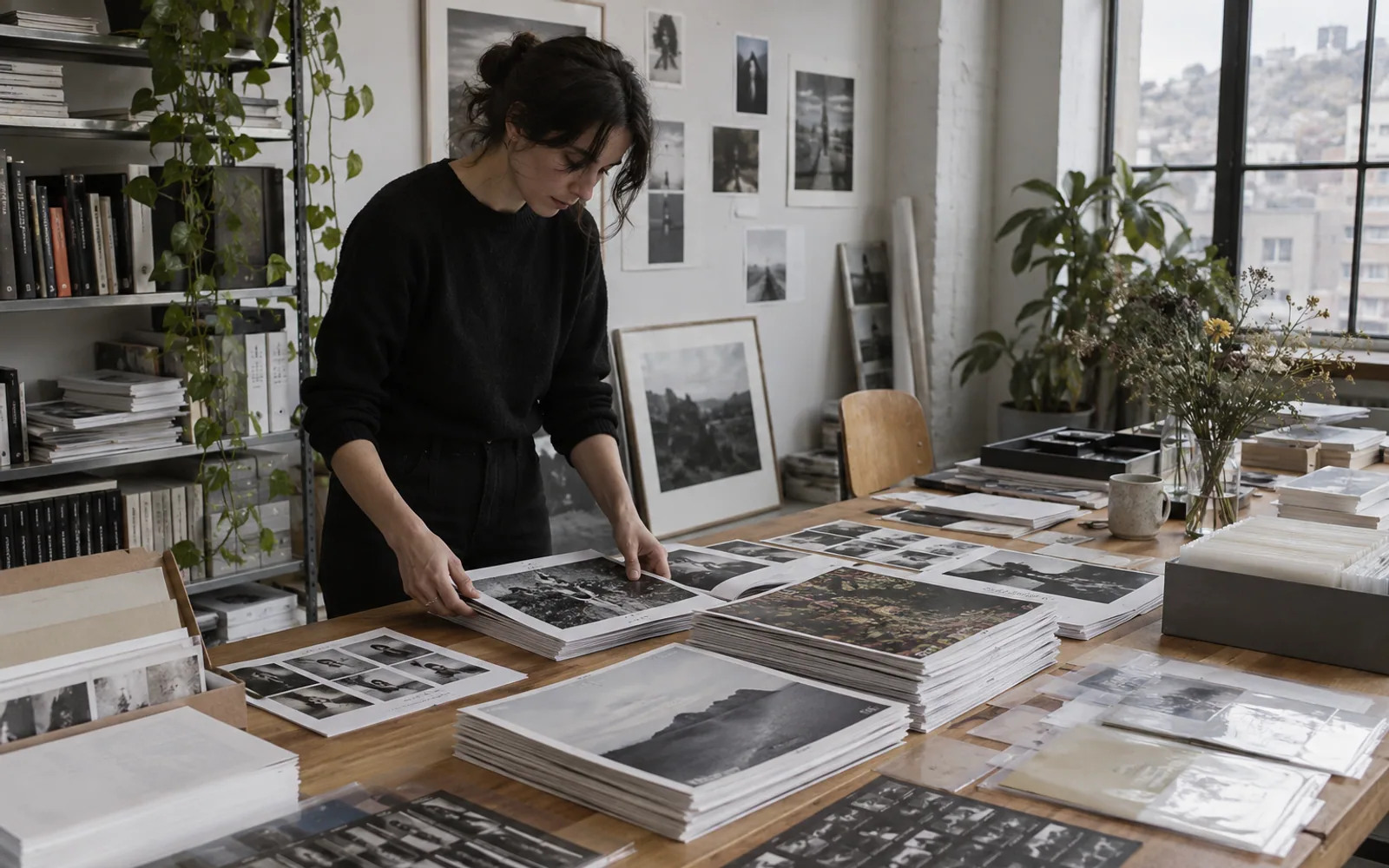
A joint project becomes richer when a publication learns an artist’s language and leaves room for it. ARKI Editorial
A MAP FOR COLLABORATING WITH AN ARTIST
A joint project becomes richer when a publication learns an artist’s language and leaves room for it.
Begin with a meeting
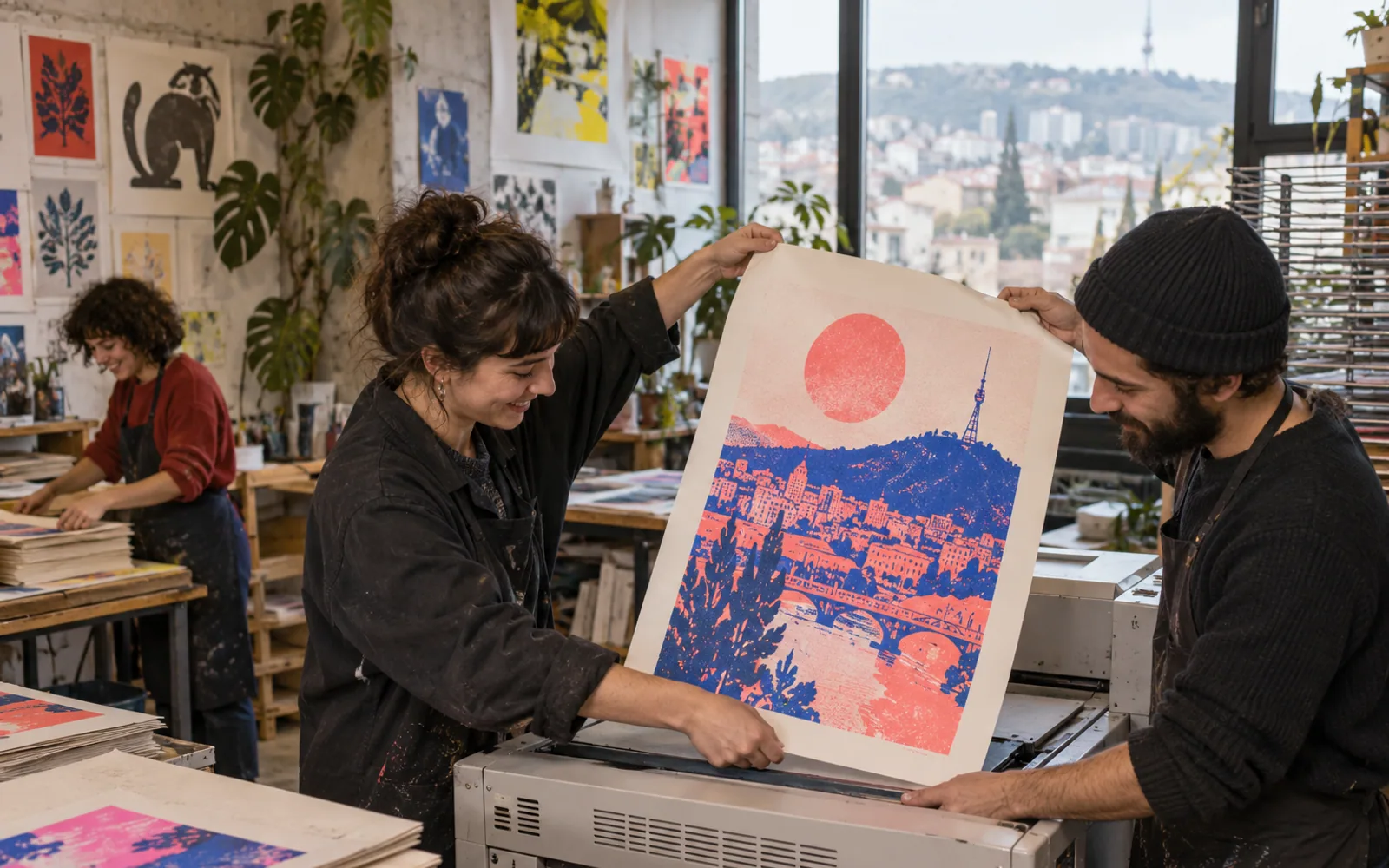
Before writing a brief, look at the artist’s existing work and ask how they describe their own questions. A magazine may arrive with a theme, deadlines, and page sizes; the artist arrives with a practice that should not be reduced to decoration.
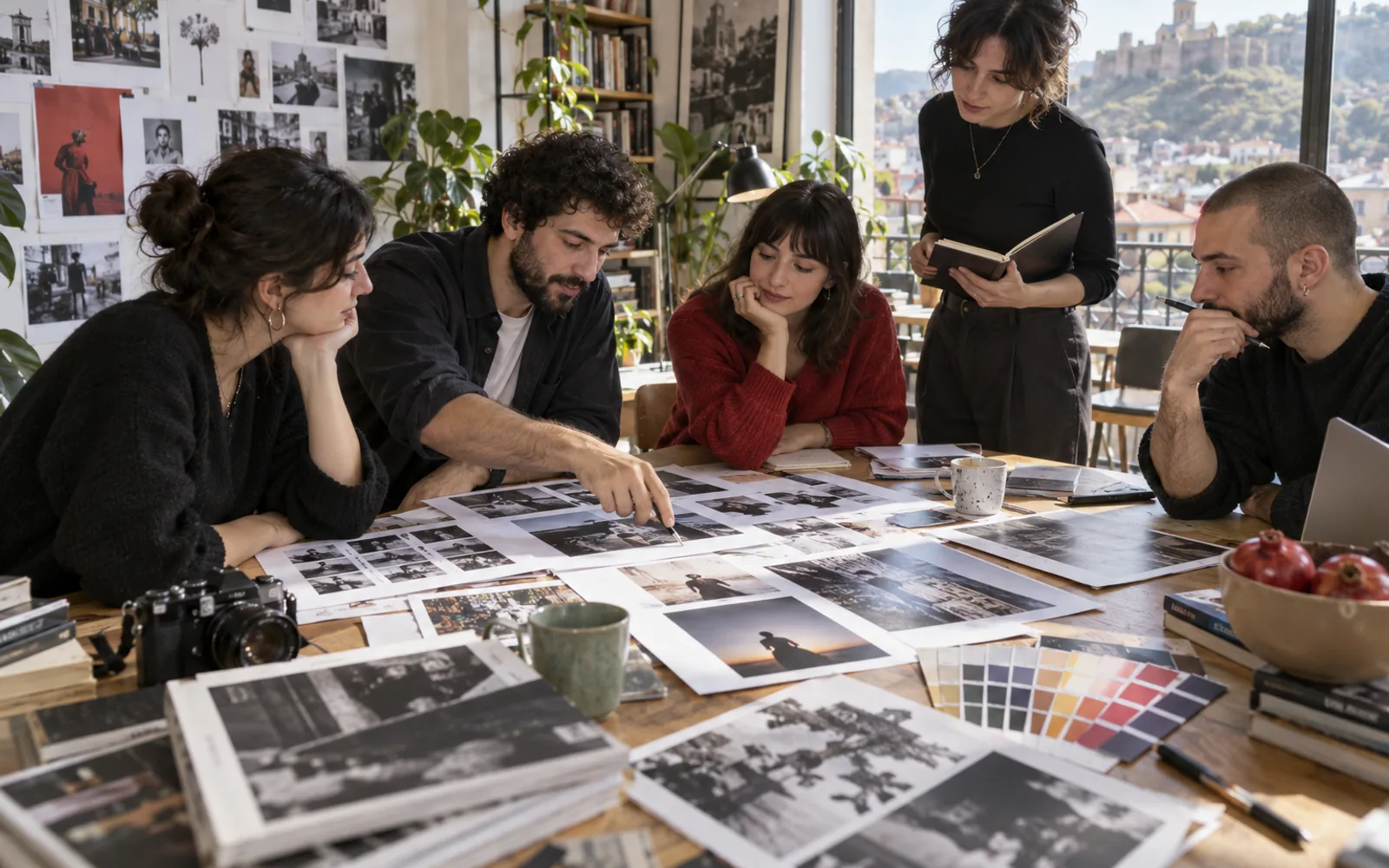
Discuss what both sides hope to discover. A good first meeting names the practical limits while leaving enough openness for an idea neither side brought fully formed.
Boundaries that support freedom
Clear expectations can make experimentation safer. Agree on schedule, payment, credit, revision rounds, and how the work may be used after publication. These details protect the artist’s freedom by preventing surprises late in the process.
Within that frame, let the maker test directions that do not resemble the editor’s first sketch. Collaboration is most interesting when the publication’s needs and the artist’s voice change one another.
Publishing the work
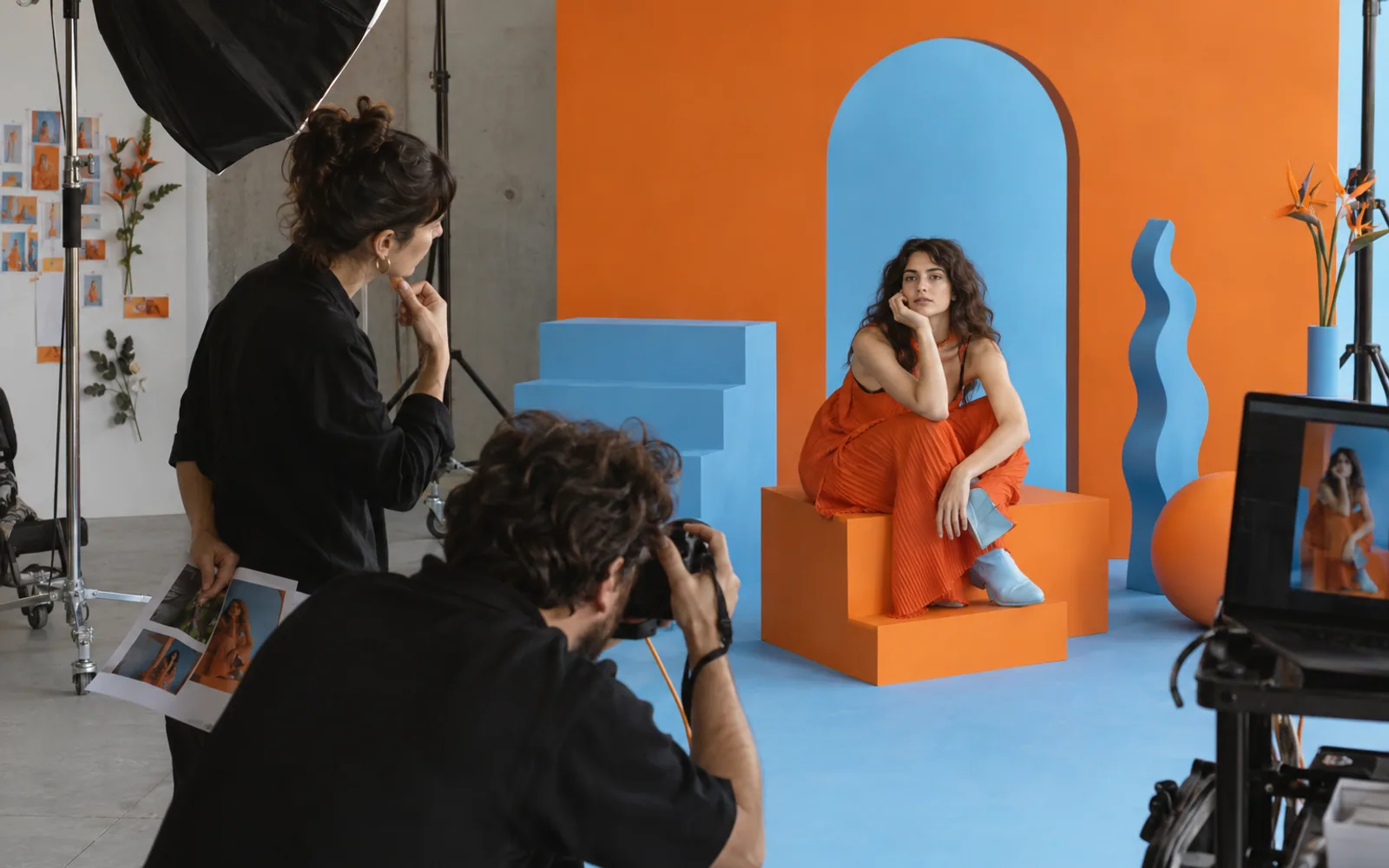
How a piece appears on a page or screen is part of the collaboration. Check color, cropping, captions, and the context beside it with the artist before release. A strong commission can be weakened by a careless reproduction.
After publication, share the result and discuss what worked. The relationship should not disappear when the file is delivered; the best collaborations leave both parties ready to make something new together.
A route with two directions
A map is useful because it helps people travel, not because it decides every step. Treat the brief the same way.
It should make the project possible while leaving room for surprise. When both partners can explain what they learned from the other, the result is more than a successful assignment.
- Learn the artist’s existing practice before defining the brief.
- Agree on rights, payment, credit, and revision limits.
- Review the final reproduction together.
Collaboration gives another voice room to change the project.
— ARKI Editorial