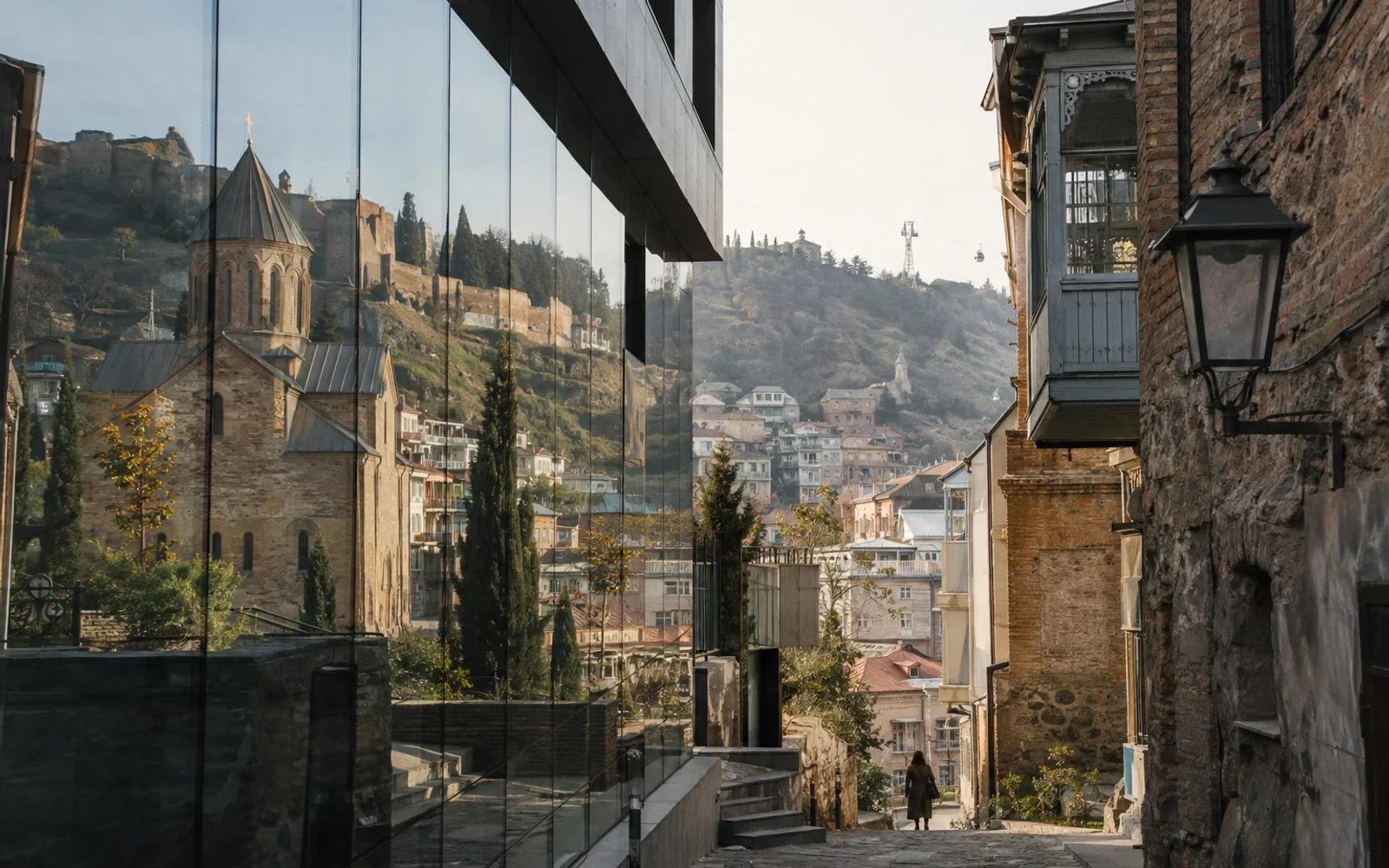
Returning to one small place can produce a more precise portrait of a much larger city. ARKI Editorial
A PHOTO ESSAY FROM ONE STREET
Returning to one small place can produce a more precise portrait of a much larger city.
Choose the place
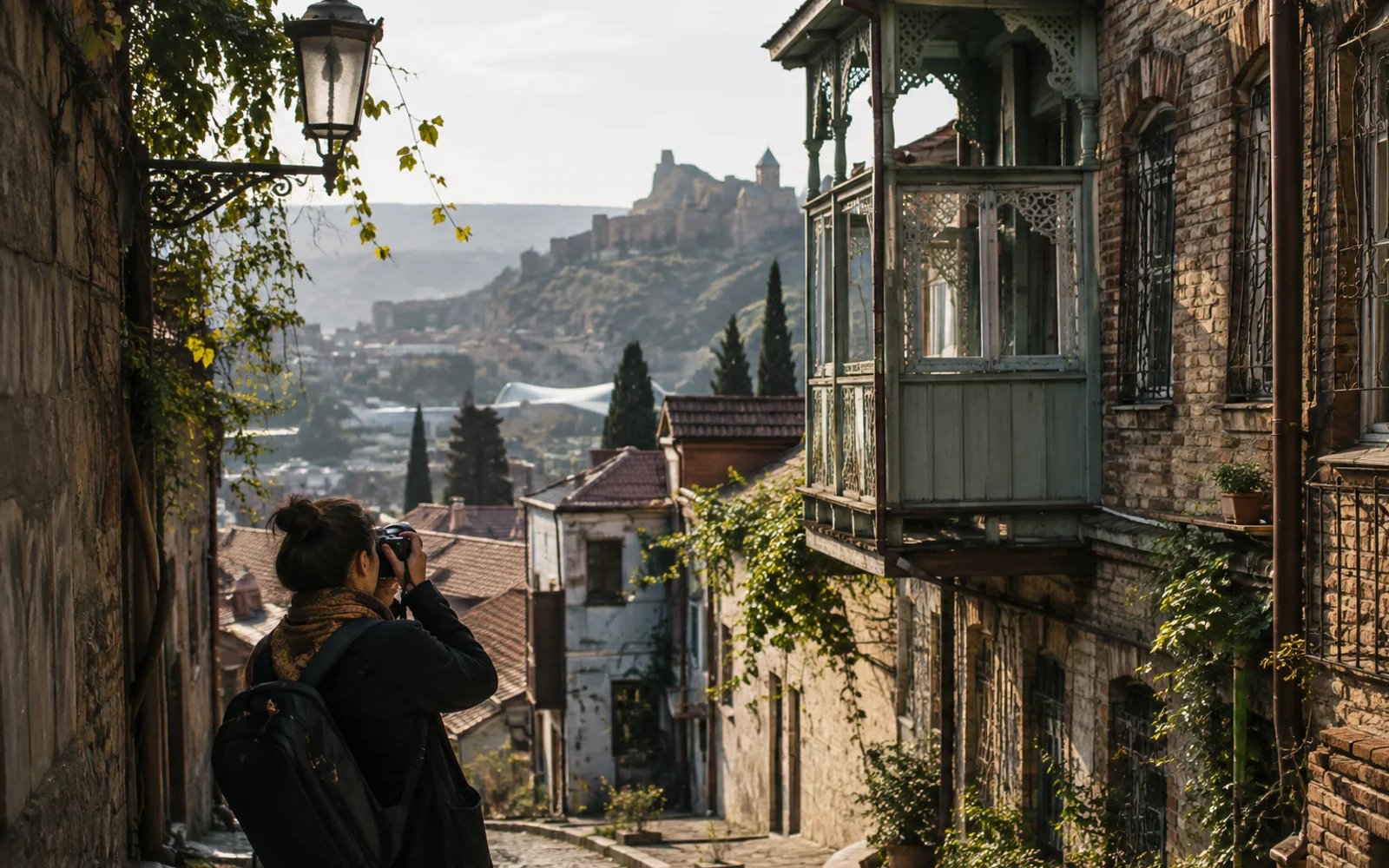
A single street offers a manageable boundary, but it should not be chosen only because it looks picturesque. Visit without a camera first. Notice who uses it at different hours, what changes on weekends, and what remains.
Ask what you can honestly learn by returning. The constraint helps the photographer work beyond a first impression and discover a rhythm that a quick tour of the whole city would miss.
Make room for people
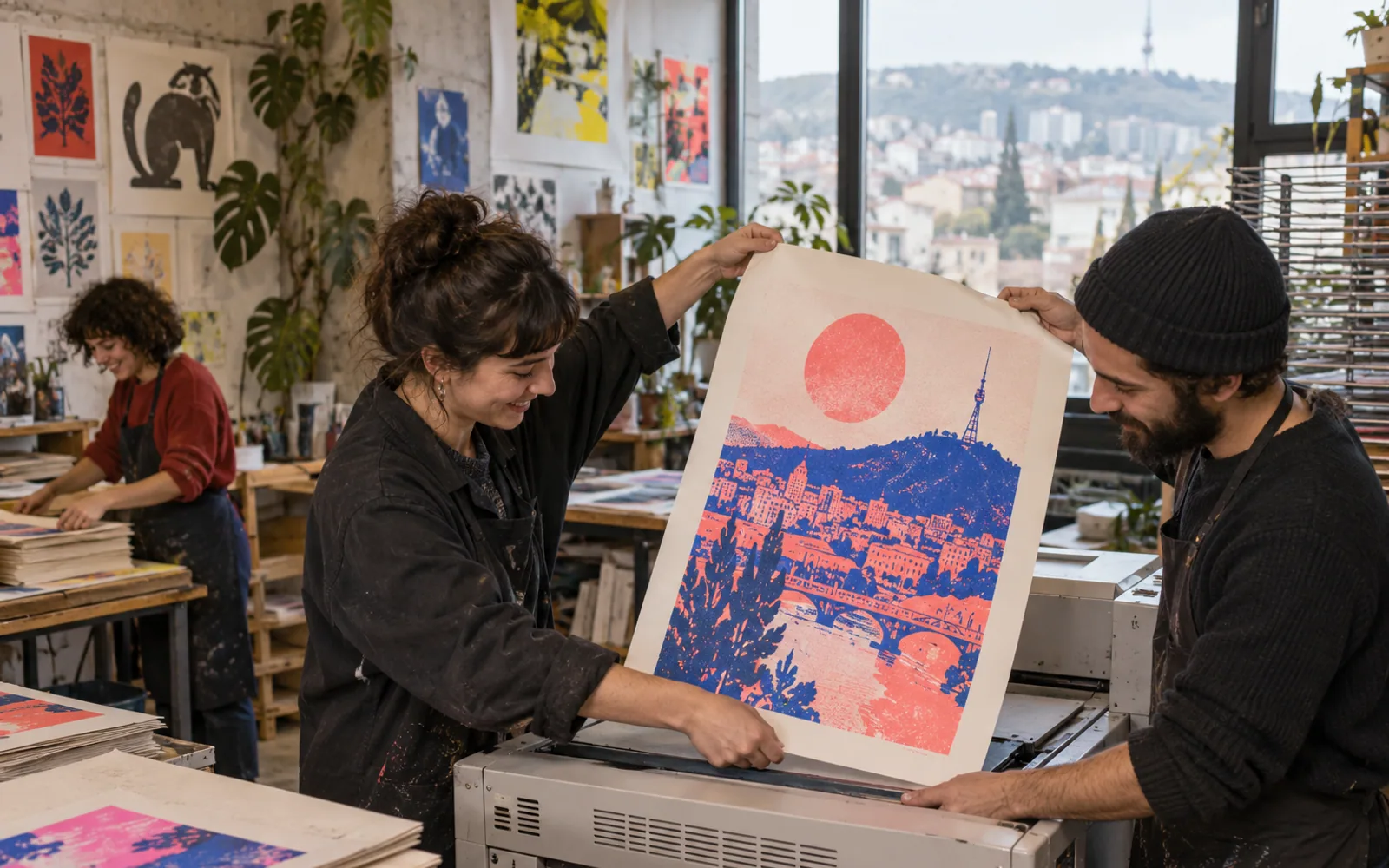
A street is not a backdrop waiting for subjects. People live, work, wait, and move there with reasons of their own. Speak when a portrait is close or identifiable, listen to concerns, and accept a refusal.
Some of the strongest images may contain no face at all: a doorway at opening time or the trace of a recent gathering. Respect makes a series more observant, not less visually compelling.
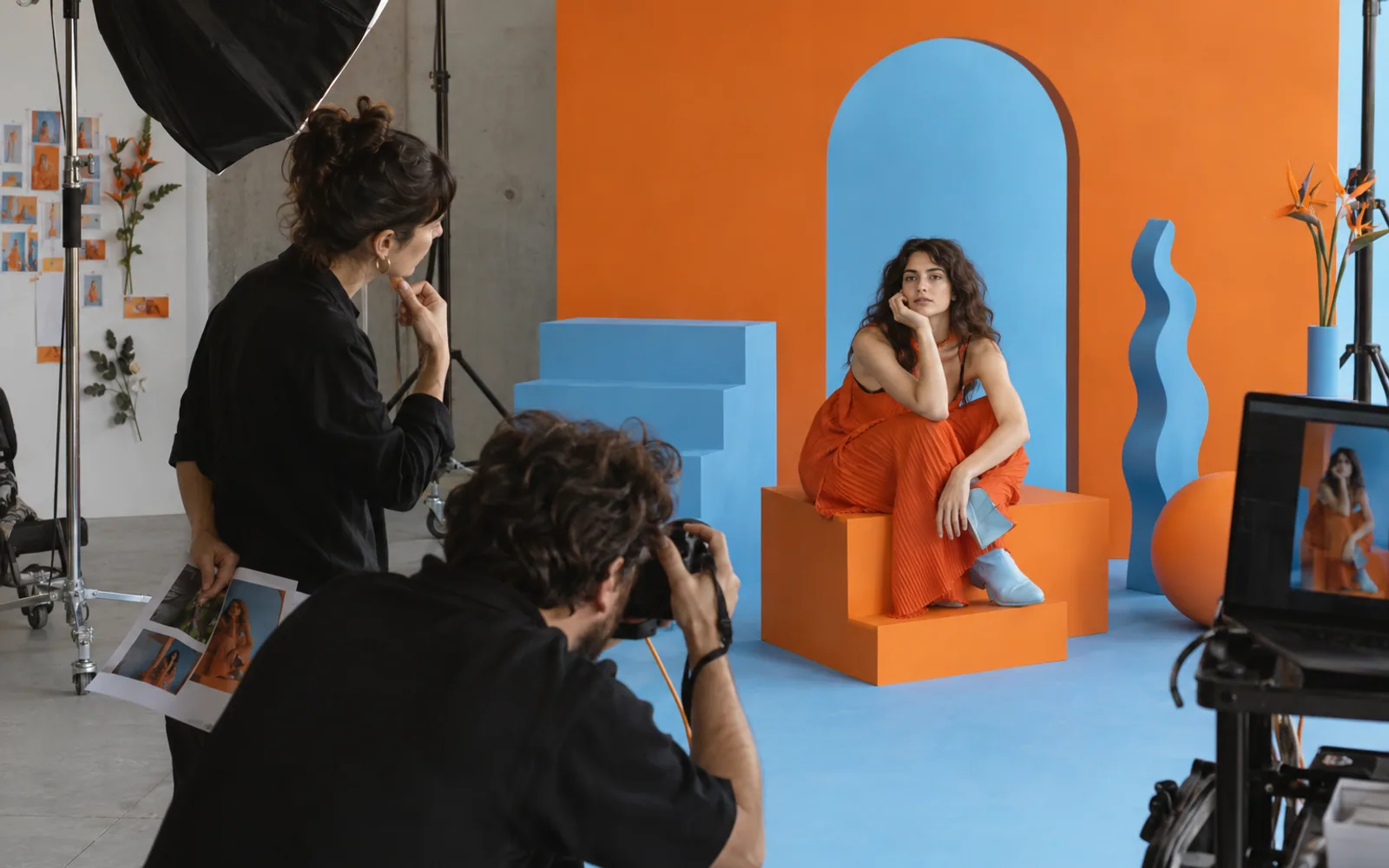
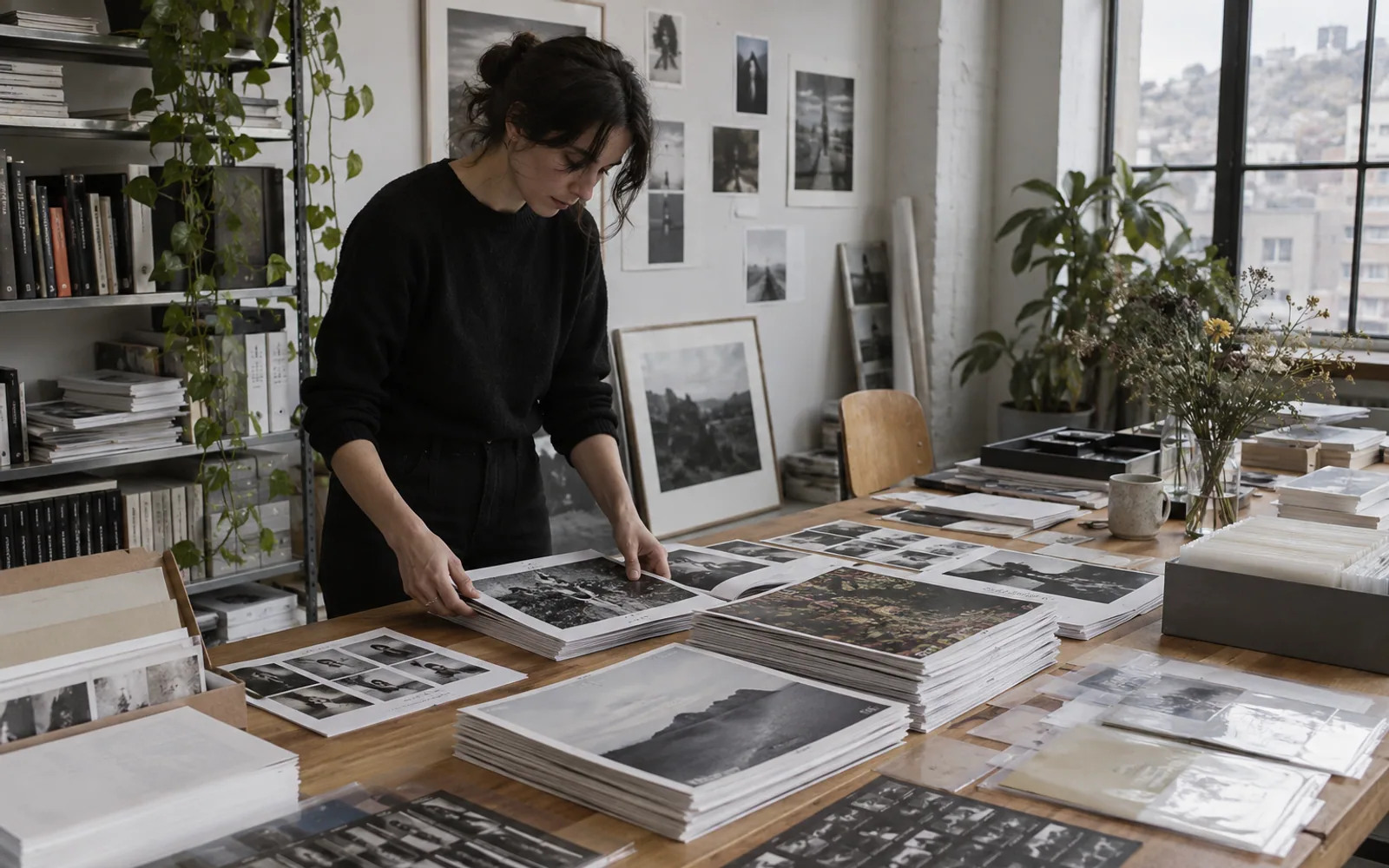
Build the sequence
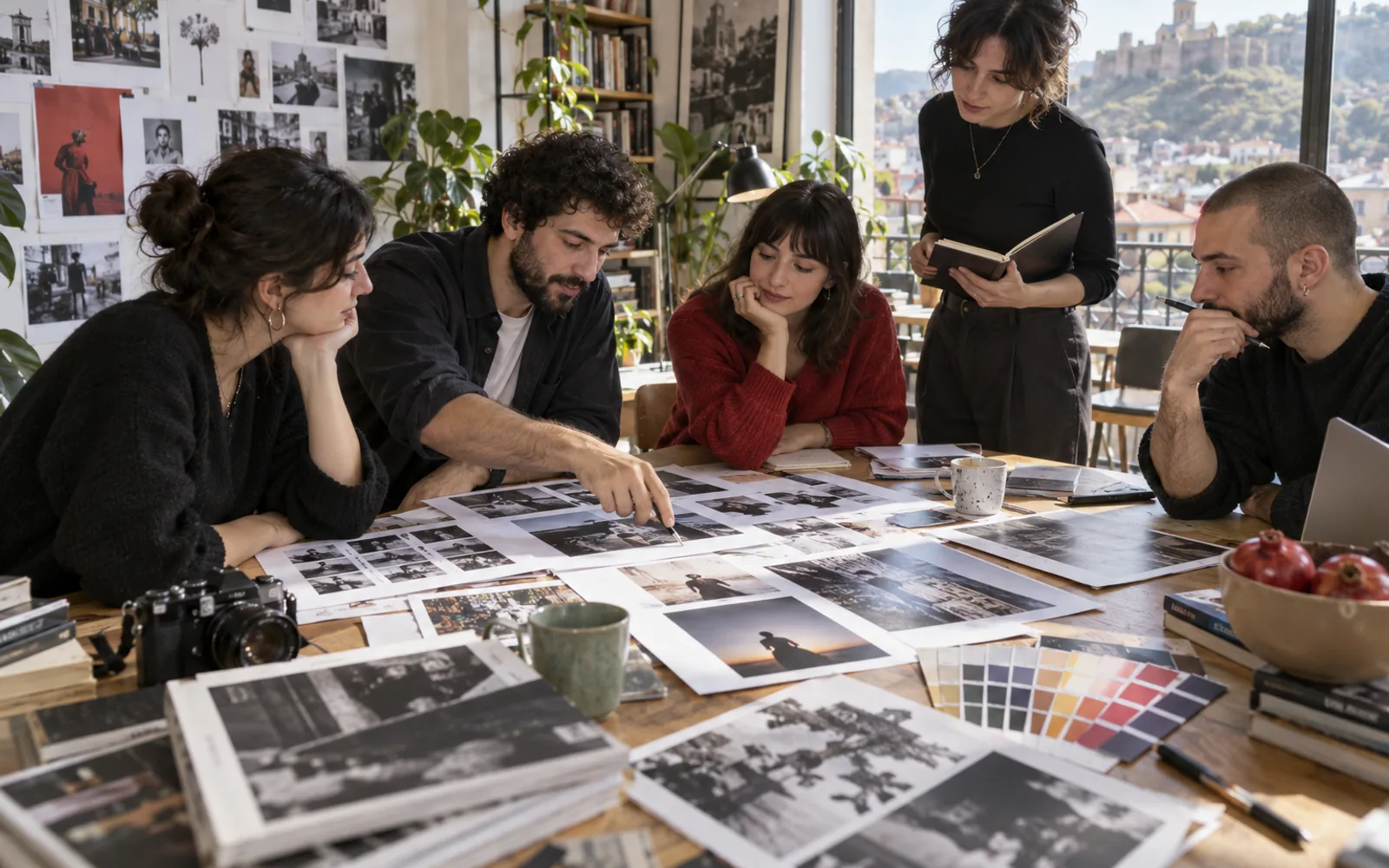
After several visits, arrange images by what they reveal rather than by the order in which they were taken. A wide view can establish space, a detail can slow the eye, and a return to the same corner can show time passing. Avoid making one street stand for an entire city without qualification.
Let the essay remain exact about its place. Its larger meaning can grow from that specificity.
Another visit
The end of the essay does not mean the street has stopped changing. A shop may close, a tree may grow, and a familiar face may no longer be there.
The photographs hold one period of its life. Returning later can remind the photographer that a place is never finally captured.
- Return at different hours before selecting images.
- Treat residents as people with a say in how they appear.
- Build the sequence around precise observations.
A city becomes clearer when we look carefully at one of its streets.
— ARKI Editorial